

2️⃣0️⃣2️⃣5️⃣ Spatial Development
Acting for the Climate: Shaping the Region’s Transformation
In the face of the climate crisis, inaction is not an option. The PRO-SUD municipal syndicate has recognized this and has set itself an ambitious work program based on two fundamental pillars: drastically reducing our greenhouse gas emissions and strengthening our resilience to the already noticeable impacts of climate change.
Our first major goal is climate neutrality by 2050. To achieve this, the “Mission Net Zero” was launched in 2023. This is more than just a goal; it is a collaborative approach that brings municipalities together on concrete issues – such as sustainable heat supply or the transformation of the cultural sector – to find and implement effective solutions for reducing emissions.
Dossier Heat Pump

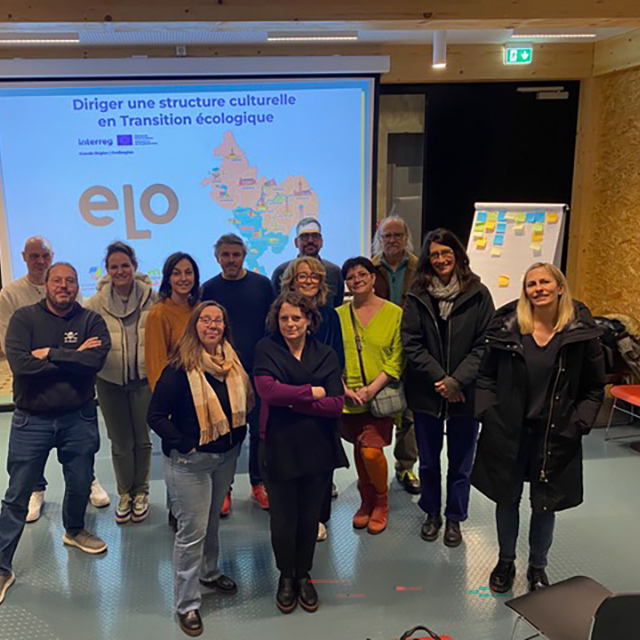
eLo – Our Interregproject ATRACT-AB
At the same time, we must adapt.
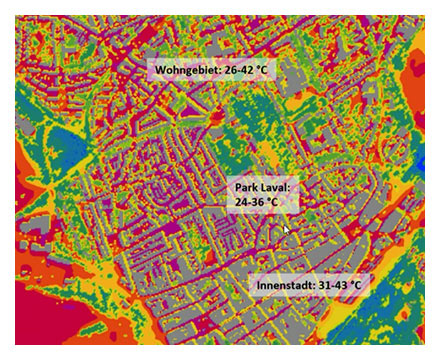
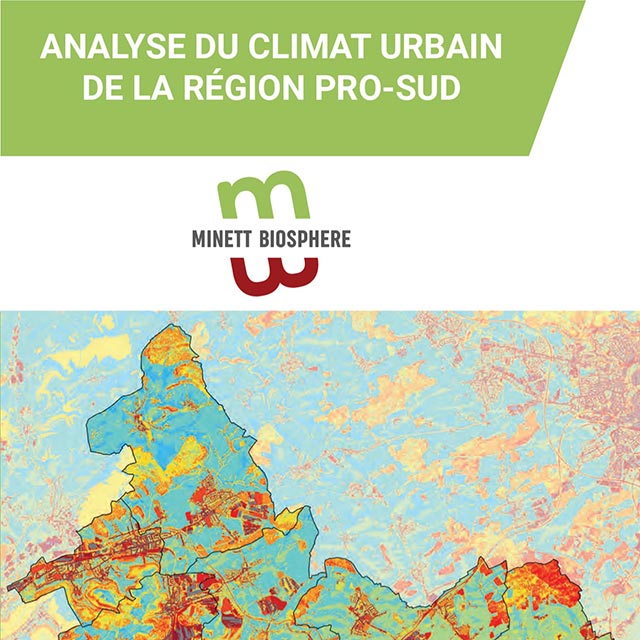
Climate resilience is our second pillar. This is achieved through innovative projects such as the regional bioclimatic study, which was completed in 2024 and now serves as an essential decision-making tool. It ensures that every new urban development contributes positively to the thermal comfort of residents and helps combat heat islands. We are training municipal services in its application and exploring solutions for dynamic monitoring of measurable changes.
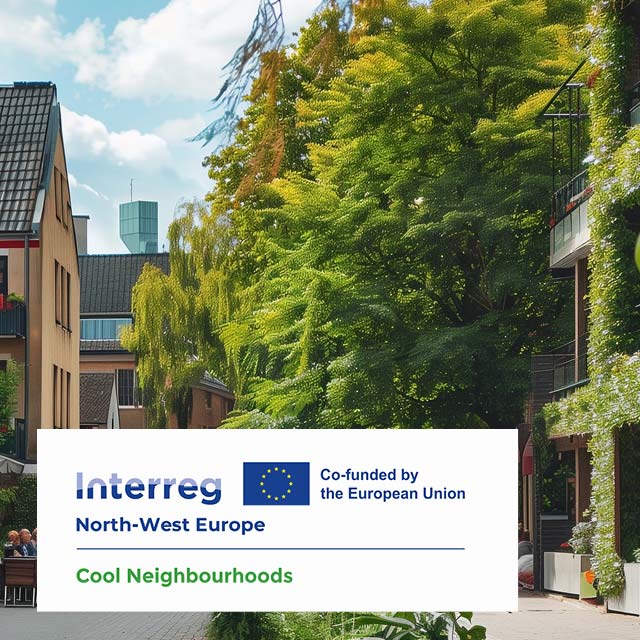
The cross-border project “Cool Neighbourhoods”, supported by Interreg, perfectly illustrates this local approach. By focusing on particularly vulnerable neighborhoods, we are implementing concrete solutions, such as a 100 m² green wall in a schoolyard in Differdange. Using sensors and a “Quality of Life Index” developed for the project, we are scientifically measuring the impact of our actions so they can be effectively replicated.
Bioclimatic study
Interreg Project “Cool Neighbourhoods”
Finally, cooperation is the driving force behind our actions. Our regional exchange platform made it possible to organize 11 meetings on diverse topics in 2025, including soft mobility – with the “Missing Links” project that maps cyclists’ needs – or environmental management.
By working together, relying on science, and involving citizens, we do not simply endure climate change; we are actively shaping a sustainable and resilient future for the southern region.