

2️⃣0️⃣2️⃣5️⃣ International Collaboration
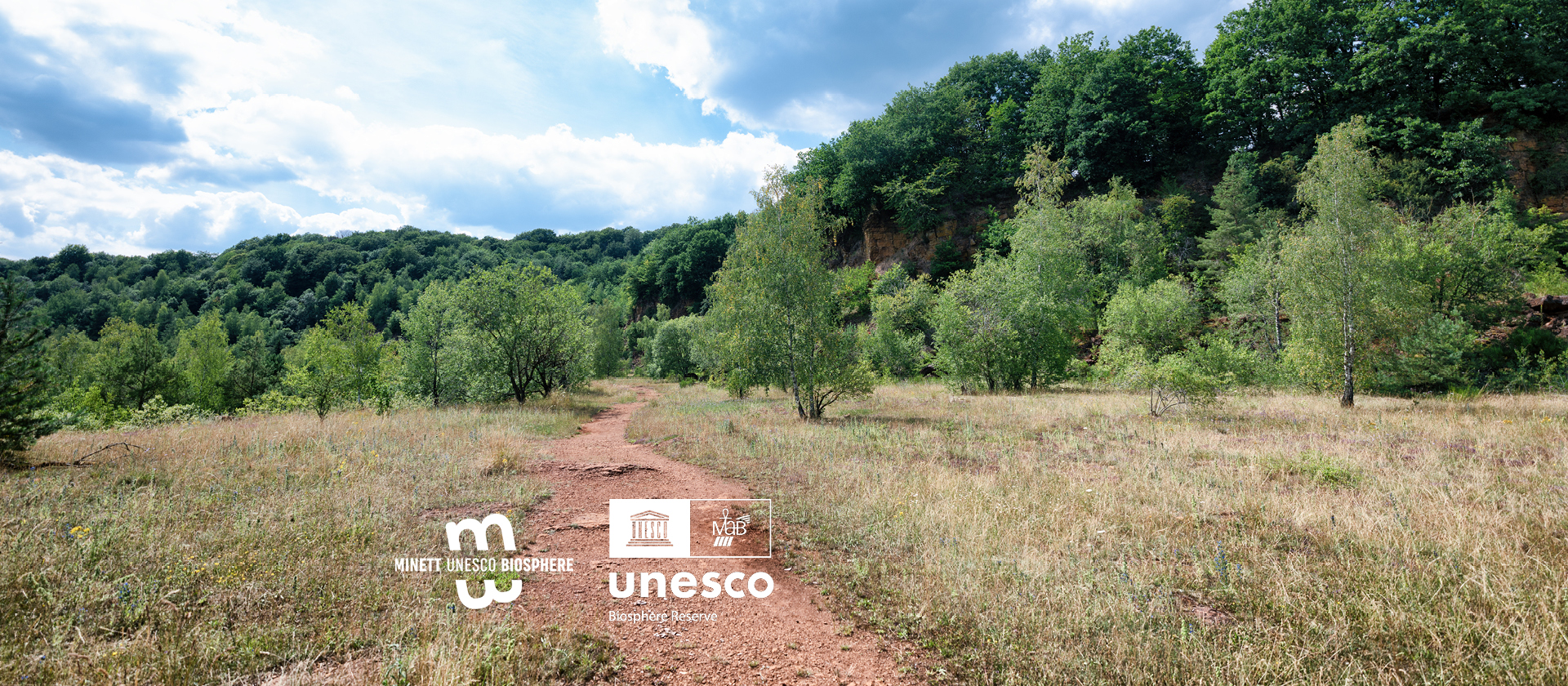
The Minett UNESCO Biosphere – Global Networking for Local Impact
The year 2025 saw an intensification of our international activities, confirming the role of the Minett UNESCO Biosphere as a committed partner and a source of inspiration beyond its own borders. From climate resilience and cultural transition to close contacts with the UNESCO World Network of Biosphere Reserves, our initiatives have aimed to transform global challenges into local opportunities.
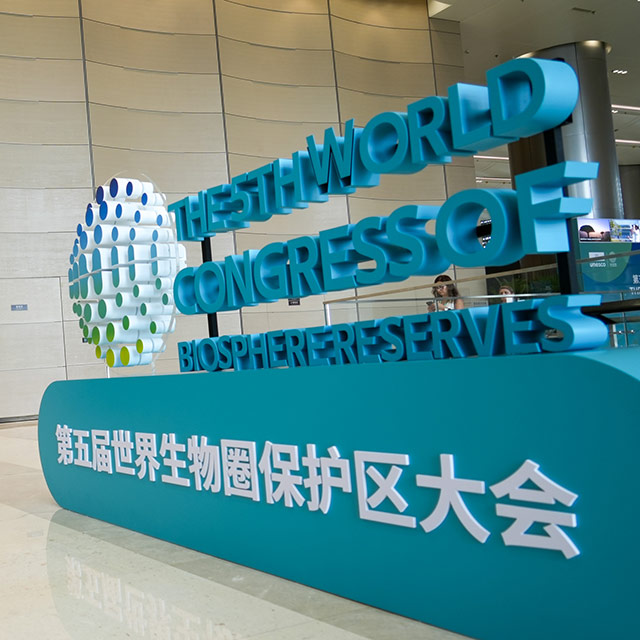
Our engagement took us as far as China, where we represented Luxembourg at the 5th World Congress of Biosphere Reserves in Hangzhou. Here, we were actively involved in shaping the new development strategy for the World Network of Biosphere Reserves for 2026-2035. Furthermore, we established contacts that could lead to further cooperation in the field of climate adaptation and facilitate the creation of a YouthMAB network for the Benelux region.
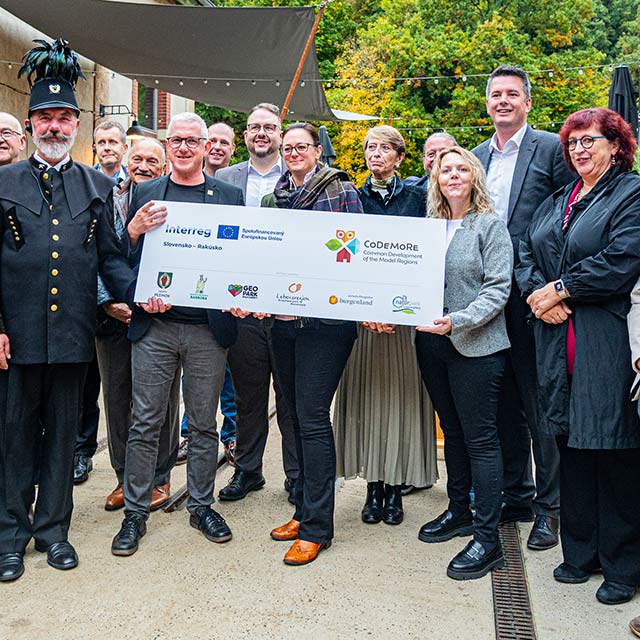
In October, we were delighted to welcome nearly 50 delegates from the Interreg project CoDe-MoRe, from Austria and Slovakia, to the Minett region. We presented our projects for the revitalisation of industrial brownfield sites, as well as our work in the areas of sustainable tourism and environmental protection.
World Congress of Biosphere Reserves
Visit from the CoDe-MoRe Partners
Collaboration with Partners from the Greater Region and North-West Europe!
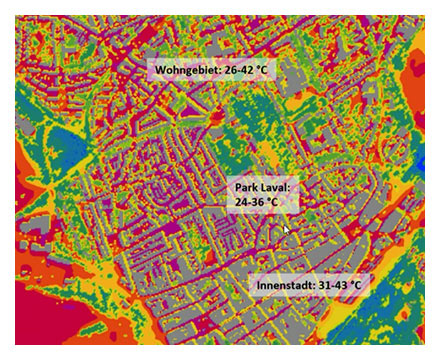
The “Cool Neighbourhoods” project, co-financed by the Interreg North-West Europe programme, is another example of our international commitments. In anticipation of future heat stress in our towns and cities, which will increase due to climate change, we are working on the implementation of local solutions, such as a 100 m² green wall in a school playground in Differdange. In July, the project partners visited the Minett UNESCO Biosphere to continue their work on the project’s tools, such as the “Neighbourhood Heat Stress Action Plan”. In the long term, these tools are intended to ensure that the pilot projects from this international collaboration can be replicated throughout North-West Europe.
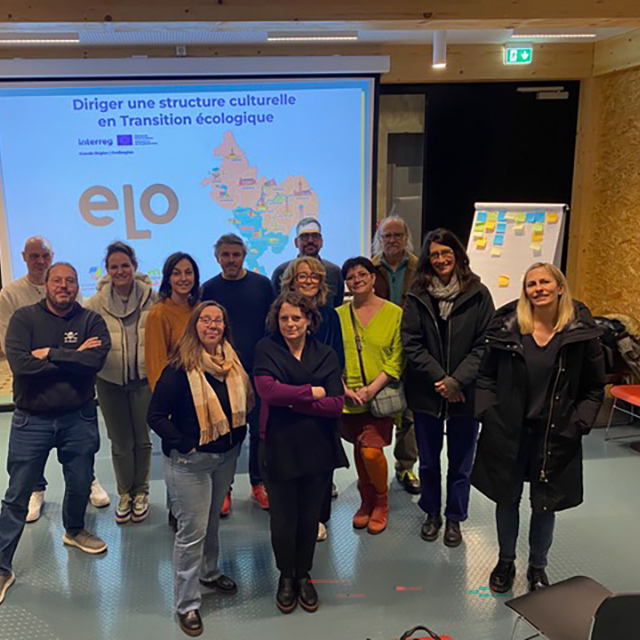
However, the ecological transition extends far beyond urban development. Within the framework of the eLo project, we are supporting the cultural sector in its transition to more sustainable practices. Following a major survey in 2025 to identify specific needs, we are preparing targeted training courses for local associations in 2026 to raise awareness of the issues surrounding the transition.
Interreg Project “Cool Neighbourhoods”
eLo – The Interreg Project ATRACT-AB
These actions demonstrate our conviction:
Only through cooperation and the sharing of knowledge can we create more resilient, sustainable, and solidary regions.