


A Young Core Zone with an Ancient History
At approximately 307 hectares, the Léiffrächen nature reserve is one of the largest core zones of the Minett UNESCO Biosphere. Although it was officially designated as a national nature reserve only in 2019, its history is much older. For more than a century, iron ore (“Minett”) was extracted here through open-pit mining, and large parts of the landscape were shaped by mining activities. Today, this former industrial zone has become one of the most valuable natural areas in southern Luxembourg.
More than three-quarters of the area are covered by forests. Alongside near-natural beech forests, visitors can also find extensive pioneer woodlands that developed spontaneously after mining operations ceased. This combination of open spaces, forests, ponds, and former extraction fronts makes Léiffrächen an ideal habitat for numerous animal and plant species.
 |
From Open-Pit Mine to Refuge for Rare Species
Where excavators and trains once transported iron ore, an impressive biodiversity now thrives. The dry grasslands, maintained through targeted conservation measures and grazing by the Minett Wanderschof sheep, provide important habitats for many specialized species.
Among the area’s best-known inhabitants are:
- Nine recorded bat species, including the greater mouse-eared bat (Myotis myotis), Bechstein’s bat (Myotis bechsteinii), and the greater horseshoe bat (Rhinolophus ferrumequinum).
- The rare great crested newt, which inhabits the ponds and wetlands of the reserve.
- Rare butterflies such as the large blue (Phengaris arion), the autumn burnet moth (Lemonia dumi), and the grayling butterfly (Hipparchia semele).
- Bird species including the black kite, the black woodpecker, and the woodlark.
Léiffrächen is a striking example of how a former industrial landscape can be transformed into a biologically rich nature reserve.
Léiffrächen: A Place of Faith and Remembrance
Beyond its ecological value, Léiffrächen holds exceptional cultural and symbolic significance. Its name originates from a statue of the Virgin Mary that, according to local tradition, was discovered in 1753 by a blacksmith named Peping inside a hollow tree trunk. Over the centuries, this discovery gave rise to an important pilgrimage site that continues to attract visitors to this day.
Directly opposite the pilgrimage site stands the National Miners’ Monument (Monument National des Mineurs). This national memorial commemorates more than 1,400 miners who lost their lives while working in Luxembourg’s quarries and mines. Its imposing steel tower and memorial square bearing the names of the deceased make it one of Luxembourg’s most important sites of industrial remembrance.
|
|
|
|

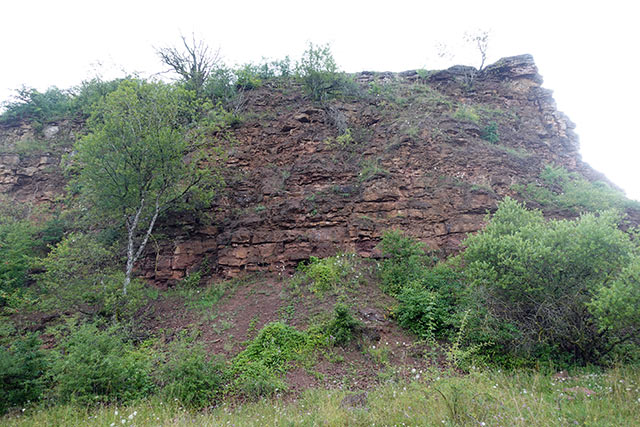
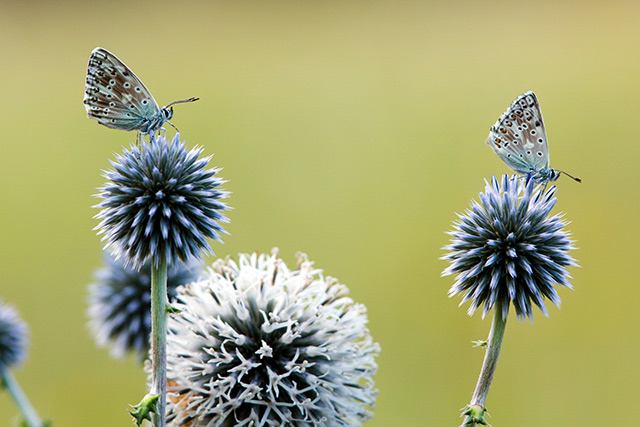
© Yann Logelin / Marc Weis
Discovering Nature Respectfully
Today, Léiffrächen is a popular recreation and leisure area. Several hiking, cycling, and mountain bike trails cross the reserve, allowing visitors to actively explore the landscape. To protect the sensitive habitats and avoid disturbing wildlife, it is important to remain on marked paths at all times.
Nearby Attractions: Explore More of Minett’s History
A visit to Léiffrächen can easily be combined with discovering several important heritage sites nearby.
Musée FERRUM
The Musée FERRUM in Tétange tells the story of the municipality of Kayl-Tétange from prehistory to the present day. Particular attention is given to the steel industry, mining, workers’ culture, and the businesses that developed around the Minett industrial region. The history of the National Miners’ Monument at Léiffrächen is also presented here.
Schungfabrik
The Schungfabrik, former shoe factory of Tétange, has been transformed into an important cultural centre. Once dedicated to producing work boots for miners, the building now hosts concerts, exhibitions, and a wide range of cultural activities.
Historical Traces in Kayl and Tétange
The municipality of Kayl-Tétange offers many additional sites connected to the history of mining and the development of the region. From the pilgrimage grounds of Léiffrächen to industrial heritage sites and stories of workers’ lives, numerous traces of the past can still be discovered here.
National Mining Museum of Rumelange
At the Musée National des Mines, visitors can immerse themselves in the world of mining. A mining train takes guests through the former underground galleries, where the history of Minett and the working conditions of miners can be experienced in an authentic setting.
National Miners’ Monument
Just a few steps from the core zone stands this unique memorial, which has held the status of Luxembourg’s national miners’ monument, the Monument National des Mineurs, since 1978. The site combines remembrance, industrial heritage, and landscape in a particularly powerful way.
|
|
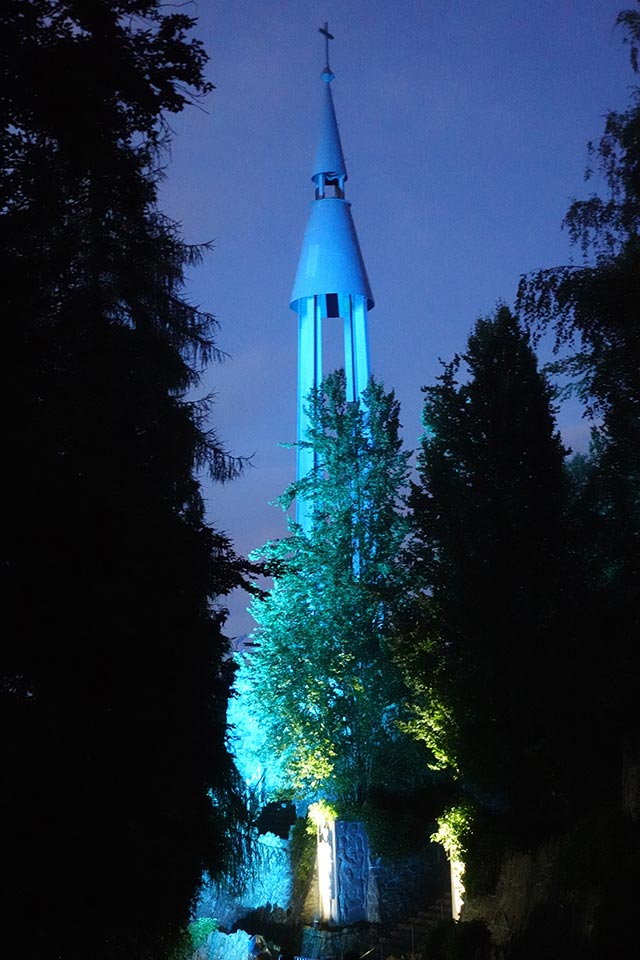
© PRO-SUD / Yann Logelin
A Core Zone Connecting Nature and Memory
Léiffrächen is much more than a protected natural area. It is at the same time a refuge for rare species, a witness to mining history, a place of spiritual heritage, and one of the country’s most important sites for preserving the memory of a significant chapter of Luxembourg’s past.
As a core zone of the Minett UNESCO Biosphere, it serves as an outstanding example of how nature, history, and human activity shape one another and together create a landscape that deserves both exploration and protection.