



Located between Dudelange, Kayl and Rumelange, this nature reserve of nearly 600 hectares is the largest in the region. For decades, the famous “Minette”, the iron ore that shaped the identity of southern Luxembourg, was extracted here. Today, the scars left by mining have become refuges for exceptional biodiversity, making this area a remarkable example of nature’s recovery.
A landscape where history is written in the rock
At first glance, visitors are struck by the diversity of the landscapes. Vast quarry faces, former mining galleries, renatured slag heaps and open plateaus bear witness to the region’s steelmaking past. But here, industrial heritage and nature are not opposed to one another: they coexist and complement each other.
Since mining ceased in the 1970s, vegetation has gradually recolonised the exposed soils. This natural process, known as ecological succession, has led to the emergence of a unique mosaic of dry grasslands, pioneer forests and calcicolous beech woods, which today make the site renowned.
 |
 |
 |
 |
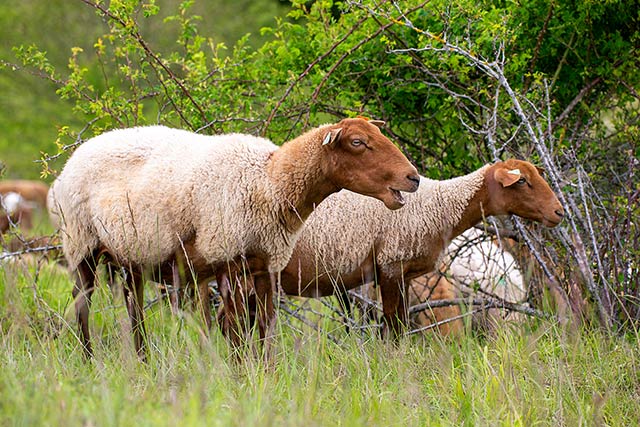 |
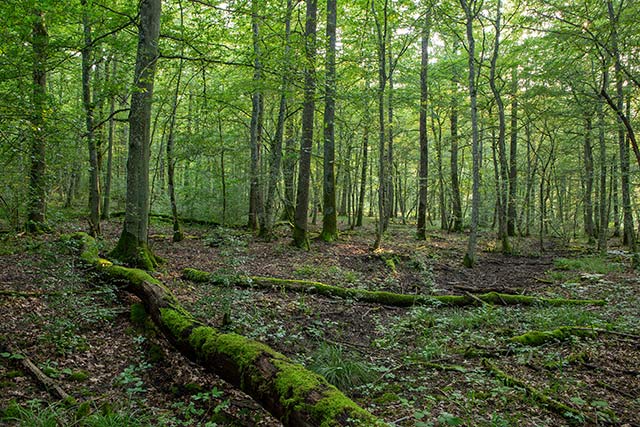 |
Exceptional biodiversity in the heart of the Minett
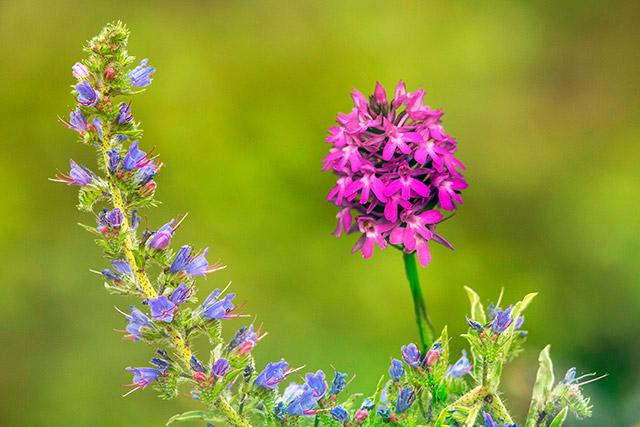
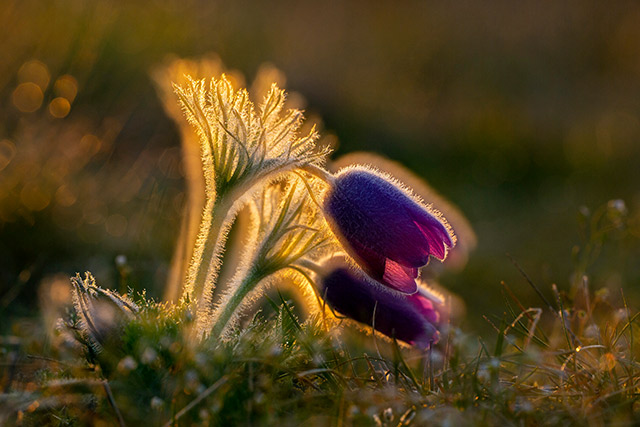
Today, the Haard is recognised as one of the richest natural sites in Luxembourg. More than 900 plant species have been recorded here, including over 25 species of wild orchids. In spring and early summer, the dry grasslands are covered in flowers and attract a multitude of pollinating insects.
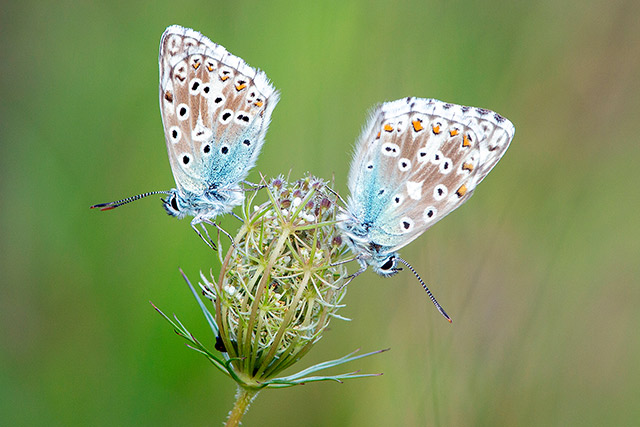
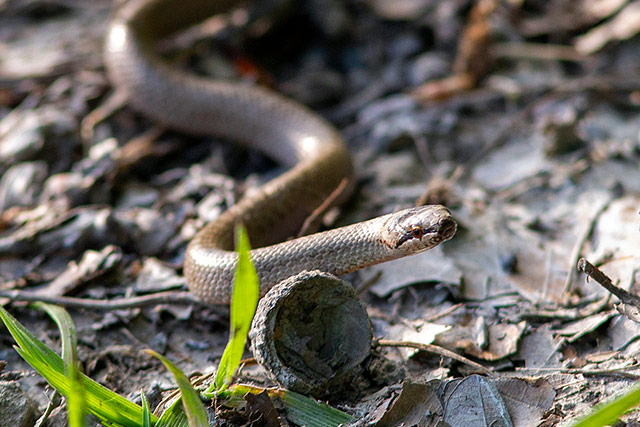
The cliffs and scree slopes created by mining also provide ideal habitats for many animal species. The Eurasian eagle-owl nests in the rock faces, while wall lizards make use of the sun-warmed surfaces. Ornithologists regularly observe the woodlark, an emblematic species of the open landscapes of the Minett. With more than 120 bird species recorded and an extraordinary diversity of butterflies, wild bees and reptiles, the nature reserve is now one of the country’s main reservoirs of biodiversity.
Exploring the Haard on foot
The best way to discover the core zone is by hiking. Two marked educational trails allow visitors to explore the site’s most remarkable landscapes. Along the way, they discover former open-cast mines, spectacular viewpoints over the surrounding valleys, the calcicolous beech woods of Kalebierg and Laangebierg, as well as one of the most impressive quarry faces in Europe.
Hiking also helps visitors better understand how nature has transformed a former industrial area into a protected site recognised at European level through the Natura 2000 network.
Virtual tour of the core zone
A forest left free to evolve
At the heart of the reserve lies the Haard strict forest reserve. Across more than 150 hectares, human intervention has been deliberately stopped to allow the forest to follow its natural development.
Old beech trees fall, decompose and become valuable habitats for fungi, insects, bats and forest birds. This open-air laboratory makes it possible to observe the natural functioning of a European forest ecosystem.
What to see around Haard-Hesselsbierg-Staebierg?
A visit to this core zone can easily be combined with the discovery of several emblematic sites within the Minett UNESCO Biosphere:
The Italian Quarter in Dudelange
Discover the history of the families who came to contribute to Luxembourg’s industrial rise in this emblematic district of Italian immigration. 👉 Discover the Italian Quarter
Mont Saint-Jean
A historic site offering a beautiful view over Dudelange and the landscapes of the Minett. 👉 Visit Mont Saint-Jean
The National Audiovisual Centre (CNA)
An essential reference point for exploring the visual and audiovisual history of Luxembourg. 👉 Discover the CNA
The Centre for Documentation on Human Migration (CDMH)
An essential place to understand the history of migration that shaped the mining basin. 👉 Visit the CDMH
The Minett Trail
Continue your discovery along the famous hiking trail that crosses the most emblematic landscapes of southern Luxembourg. 👉 Explore the Minett Trail
The “An Aenzelen” Arboretum
Located in Rumelange, this arboretum, created on a rehabilitated former landfill site, brings together more than 100 species of trees and shrubs and is an ideal stop for botany enthusiasts. 👉 Stroll through the arboretum
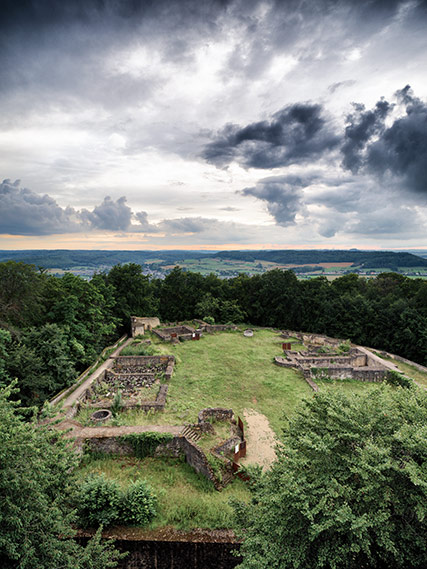 |
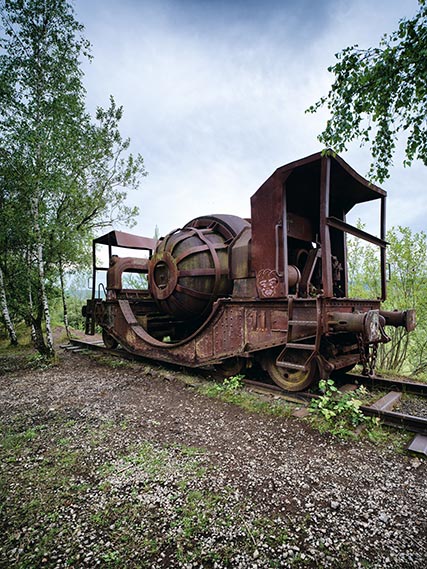 |
 |
A symbol of the Minett UNESCO Biosphere
The Haard-Hesselsbierg-Staebierg core zone perfectly illustrates the mission of a UNESCO biosphere reserve: to protect outstanding natural areas while enhancing the history and identity of a territory.
Here, the former mines are not merely witnesses to an industrial past. They have become the foundation of remarkable biodiversity and a unique landscape where nature continues, day after day, its incredible work of recovery.