



 |
 |
 |
 |
 |
 |
© Marc Weis
Griechten: a different landscape of the Minett UNESCO Biosphere
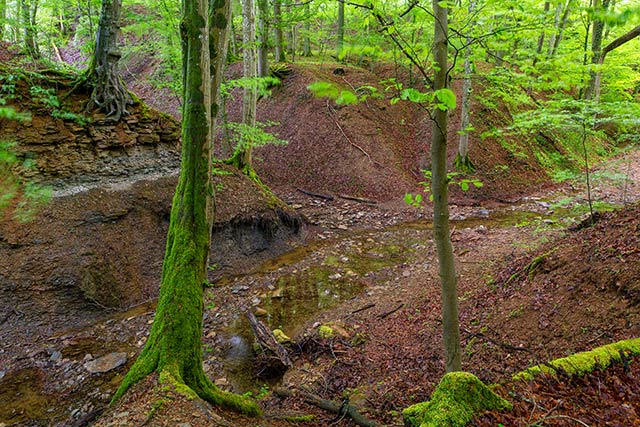
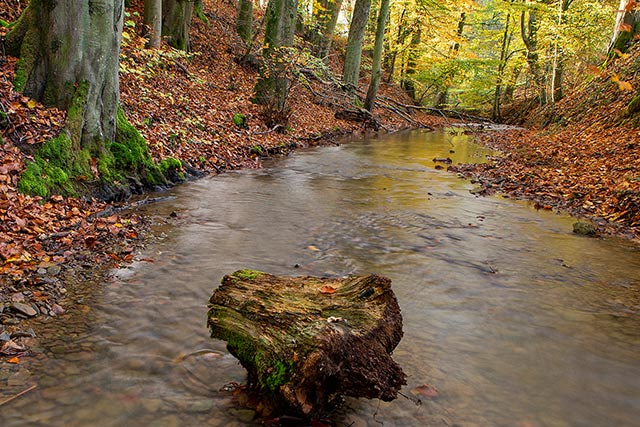
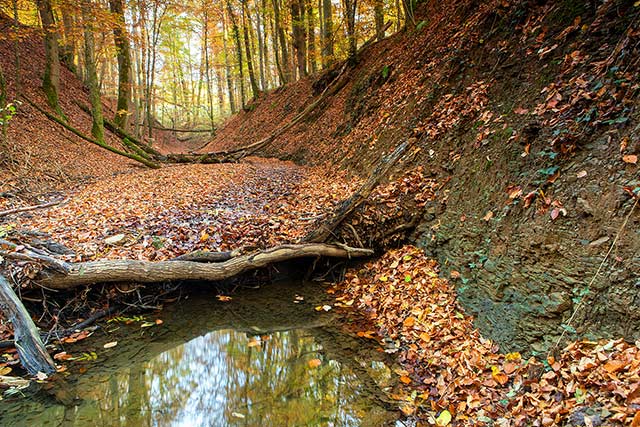
Recognised by UNESCO in 2020, the Minett UNESCO Biosphere covers 20,065 hectares in southern Luxembourg. Its landscapes combine natural areas, industrial heritage and urbanised zones. In the Griechten buffer zone, streams and their banks, wet meadows, reed beds and alluvial forests form important ecological corridors connecting different habitats.
Griechten is an integral part of this mosaic of landscapes, where biodiversity conservation and human presence coexist.
The area is connected to the Natura 2000 site “Hautcharage / Dahlem – Asselborner et Boufferdanger Muer” (LU0001025). This Special Area of Conservation covers 393.94 hectares and belongs to the Continental biogeographical region.
The Natura 2000 network aims to ensure the long-term conservation of Europe’s most valuable or threatened species and habitats. Human activities are not systematically excluded from these areas. Instead, the land should be used sustainably in order to safeguard biodiversity.
Meadows, forests and wetlands: valuable habitats
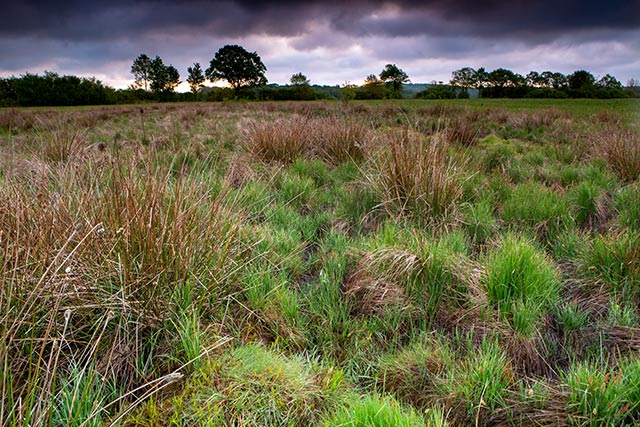
The ecological value of the area lies particularly in the diversity of its habitats. Natura 2000 data identify several habitats of particular interest, including around 30.73 hectares of lowland hay meadows and 76.38 hectares of beech forests, as well as a variety of wetlands and other woodland habitats.
This combination of meadows, forests and water-related habitats creates a diverse landscape that provides favourable living conditions for many species.
Boufferdanger Muer: nature, history and cultural heritage
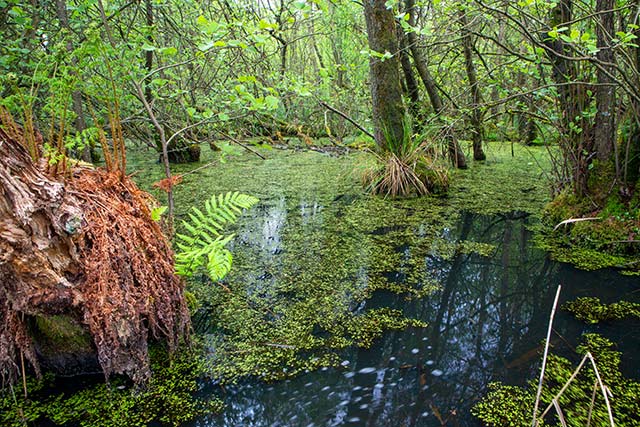
The Boufferdanger Muer is one of the remarkable features of this landscape around Käerjeng. Located within the municipality of Käerjeng, this protected wetland covers 21.5 hectares and has enjoyed national protection since 19 March 1988.
Its history also illustrates the sometimes surprising relationship between nature and human activities. Around 1890, the Ketten brothers, who grew roses, leased the marsh to harvest sphagnum moss (Sphagnum). Thanks to its ability to retain large quantities of water, the moss was used to pack rose plants that were shipped from Luxembourg around the world. In 1893, the marsh was drained to facilitate its exploitation.
A local legend is also associated with the site. It was published in 1883 by Nikolaus Gredt in his Sagenschatz des Luxemburger Landes. According to the story, a castle once stood in the middle of the marsh before disappearing beneath the water. Today, only stories passed down from generation to generation preserve the memory of this structure.
The Boufferdanger Muer thus brings together natural heritage, historical land uses and intangible cultural heritage within a single landscape.
Protecting ecological corridors and connected habitats
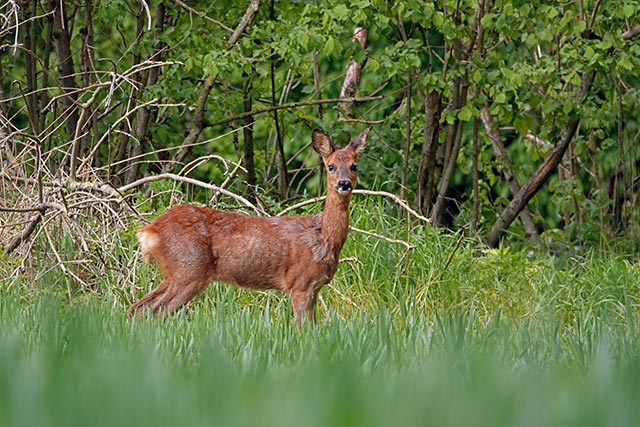
The Natura 2000 site is home to several species protected at European level. These include the Great Crested Newt (Triturus cristatus), Bechstein’s Bat (Myotis bechsteinii), the Large Copper (Lycaena dispar) and the dragonfly Sympetrum flaveolum, to name just a few.
The Griechten buffer zone within the Minett UNESCO Biosphere shows that a biosphere reserve is not simply made up of a number of isolated natural areas. Biodiversity also depends on the connections between meadows, forests, wetlands and waterways.
This is also one of the principles behind the Natura 2000 network: to promote connections between protected areas in order, among other things, to facilitate the movement of species and maintain healthy ecosystems.
In this buffer zone, protecting biodiversity therefore also means preserving a living landscape shaped over time by water, nature and human activity alike.