


Underground, in the Heart of the Minett
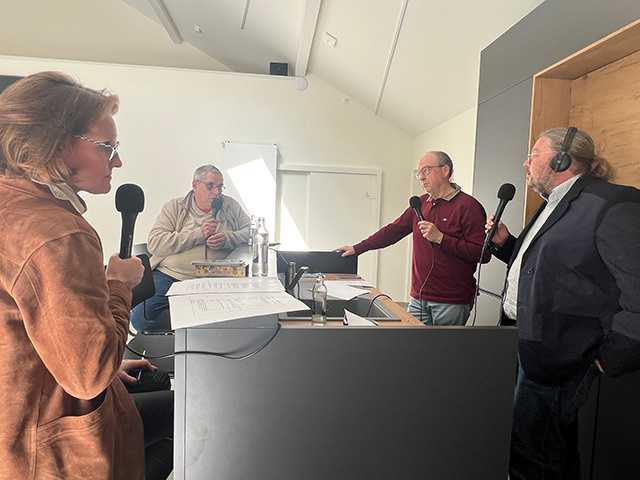
The history of the Minett, its extraction, its processing, and the lives of the people in the steel plants and in the mines are our common thread this year on Minett Mash-Up. In this episode, we focus particularly on the miners and their work, which was anything but a simple job – in an environment where industrial history is still alive today.
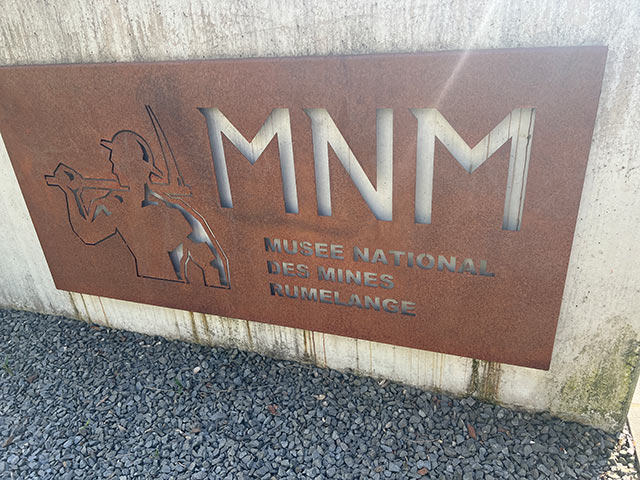
Our “Minett Location” of the month: Musée National des Mines de Fer (Rümelingen)
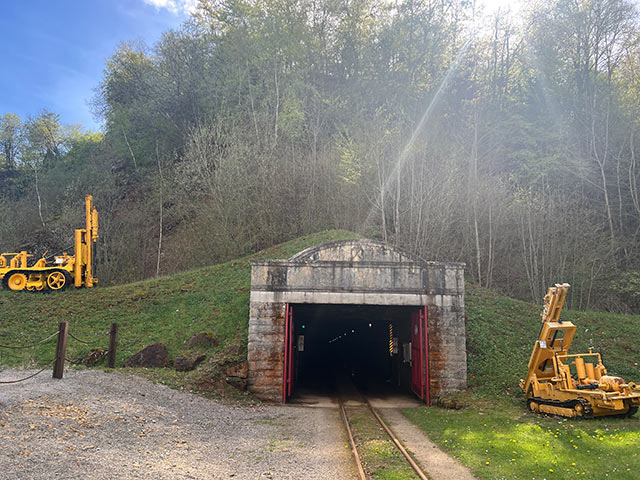
This time, the Minett Mash-Up journey takes us to the Musée des Mines in Rumelange – a place where you don’t just see the history of mining, but feel it too. The entrance to the museum is located at the Carreau of the Walert Mine, and here visitors are concretely introduced to the world of miners.
The museum has existed for over 50 years and offers visitors an authentic glimpse into the working conditions of the past. In the middle of the mine, there’s a cool 11 degrees Celsius with very high humidity – during visits, attention must be paid not only to visitors who sometimes come in shorts and T-shirts, but also to the exhibits shown during the guided tour.
A special witness from times past still hangs in front of the museum: a bucket from the aerial tramway that ran from Ottange to Differdange to the steel plant. This aerial tramway was active from 1906 to 1980 and connected the mines with the iron processing facilities. Details like these make the Location of the Month more than just a museum: it’s an entrance to a bygone era that helps us better understand our industrial heritage.
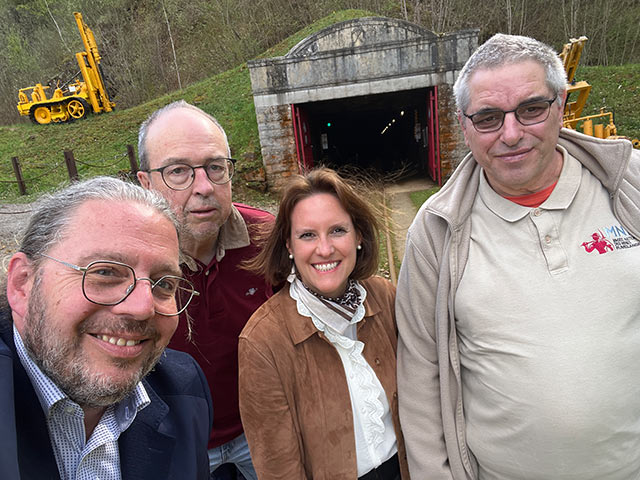
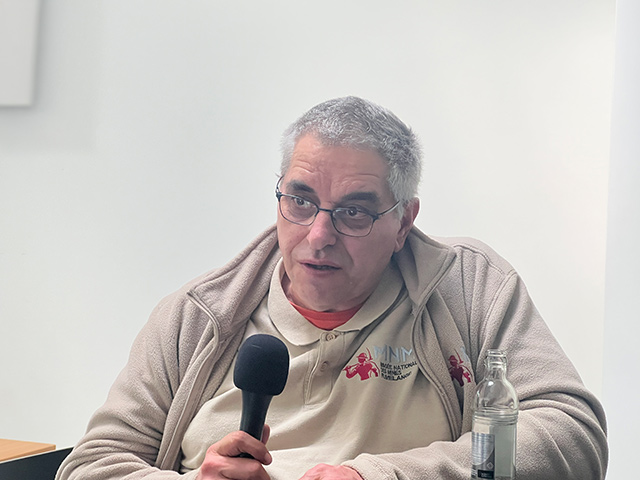
Our guest: Dario Di Genova
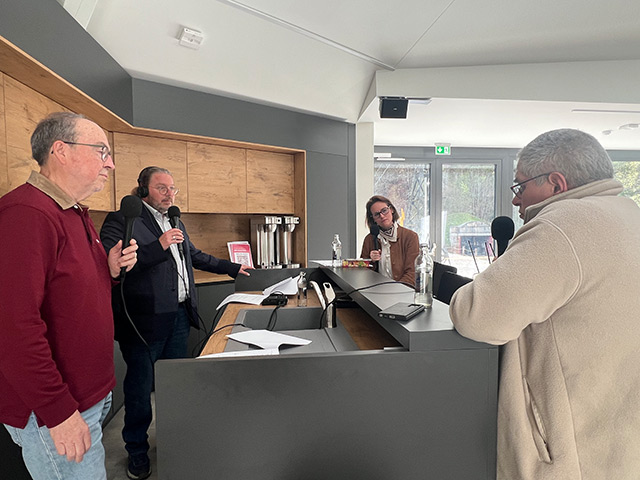
Our guest, Dario Di Genova, is a guide at the Musée des Mines in Rumelange. He shares his passion for the history of Luxembourg’s mines with visitors and brings the memory of the miners’ work to life.
In the episode, we talk with him about his connection to this special place and his motivation to work here as a guide, which goes back to experiences Dario had as a boy in the environment of the mine at Thillenberg, where his father worked for 31 years. The conversation illuminates many facets that defined the world of mining:
- the founding and history of the mines and museum in Rumelange,
- the importance of the mines for Luxembourg’s economy,
- the most significant period for mining in the region,
- the technological and human development of the mines over time,
- the disappearance of this industry in Luxembourg,
- the impact of mining on the region and its inhabitants,
- and the question of how to pass on the memory of this era to a new generation.
As a guide, Dario also has a particular passion for models of the mining industry, which he builds himself. We learn more about this in this episode.
 |
 |
 |
 |
 |
 |
© Minett UNESCO Biosphere
Our quiz:
In which year was the first iron ore officially sold in Rumelange?
- 1872
- 1863*
- 1891
How long was the aerial tramway from Ottange to Differdange, which was active from 1906 to 1980, in total?
- about 7 kilometers
- about 10 kilometers
- about 13 kilometers*
Links to the topics of this episode:
- Musée National des Mines de Fer – National Mining Museum in Rumelange, commemorating the extraction of Minett in Luxembourg
- Ottange – French village on the border near Rumelange
- Minière Thillenberg – Largest iron-ore mine in Luxembourg, which operated until November 1981
- Strike of 1921 – Labour struggle of miners and steelworkers for better working conditions
- Ottange Aerial Tramway – Aerial tramway that transported Minett stones from the mine in Ottange to the steel plant in Differdange
- Monument National des Mineurs – National Miners’ Monument at the Léiffrächen commemorating the mineurs that lost their lives during their work
- CS Oberkorn – Football club from the municipality of Differdange
Contact us:
 |
 |
 |