



Within the Minett UNESCO Biosphere, certain areas play an essential role: these are the core zones, spaces where nature conservation, habitat preservation, and the respectful discovery of the living environment take priority. The Prënzebierg – Giele Botter nature reserve is one of these precious places. Located between Differdange and Pétange, it forms one of the ecological hearts of the territory and one of the most emblematic landscapes of the Minett.
Here, the former red soils shaped by minette mining have been transformed into a living, changing, and surprising landscape. Beneath visitors’ footsteps, every path tells a double story: that of an industrial heritage that shaped southern Luxembourg, and that of nature gradually reclaiming the former open-cast mining areas.
Giele Botter – Prënzebierg is therefore much more than a place for a walk. It is an open-air experience, an observation space, a life-size geology book, and a refuge for many rare species. It is an ideal place to understand, in a single walk, what a biosphere reserve means in practice: protecting, learning, sharing, and experiencing the territory differently.
Did you know? Exceptional biodiversity in the heart of the Minett
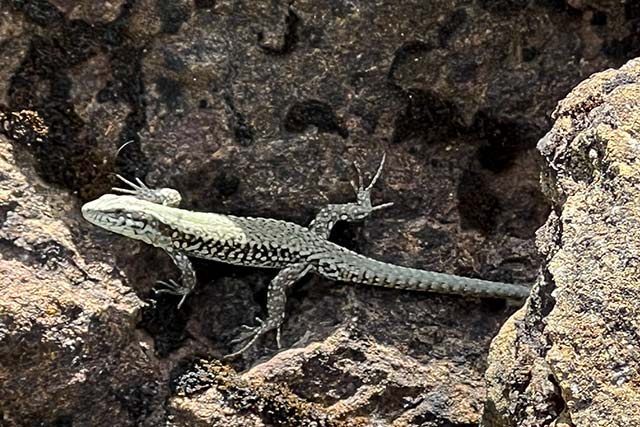
The Prënzebierg – Giele Botter nature reserve is one of the ecological gems of the Minett UNESCO Biosphere. This former mining landscape, now a refuge for nature, brings together a remarkable mosaic of habitats: calcareous dry grasslands, rock faces, ponds, wet meadows, pioneer forests, and calcareous beech forests. This diversity provides favourable conditions for many rare species.
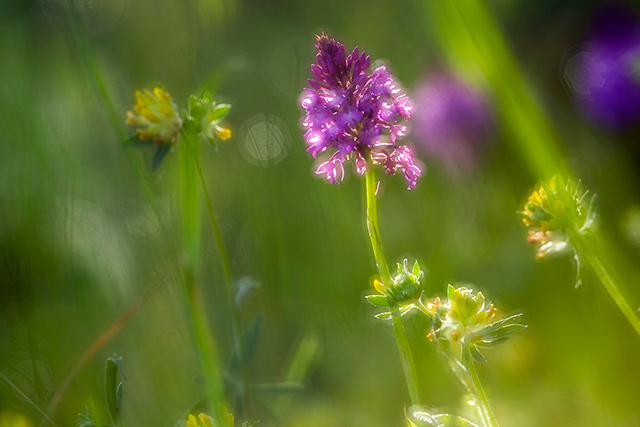
- 21 species of wild orchids are recorded in the former open-cast mining area.
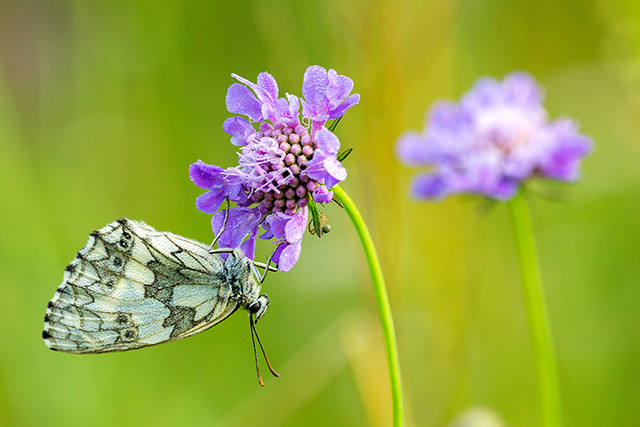
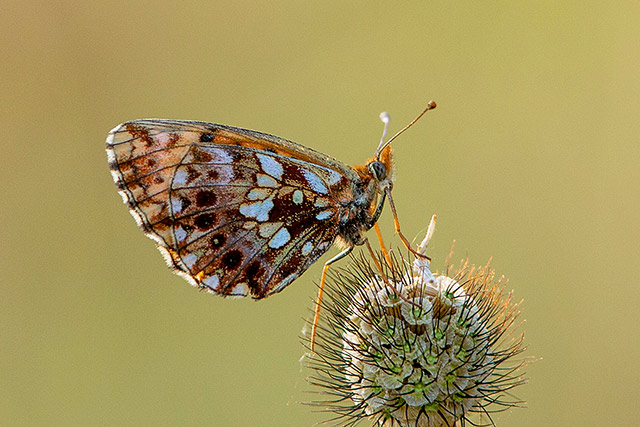
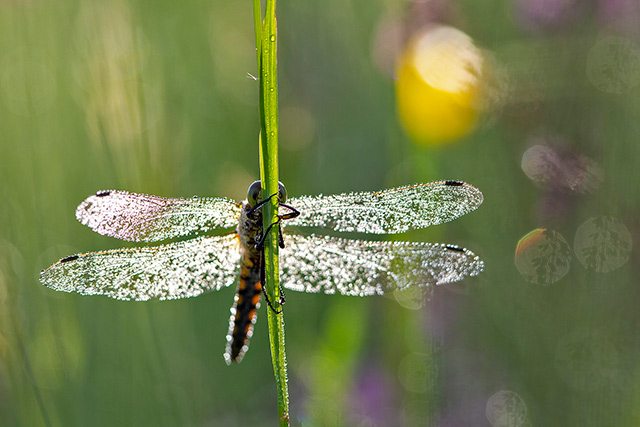
- 171 species of day-flying and night-flying butterflies and moths preferring sunny habitats have been documented in the protected area, including a high proportion of threatened species.
- 10 bat species are recorded in the nature reserve, particularly because the former galleries serve as winter roosts.
- The ponds and wet meadows are home to specialised species, including the great crested newt and the early marsh orchid.
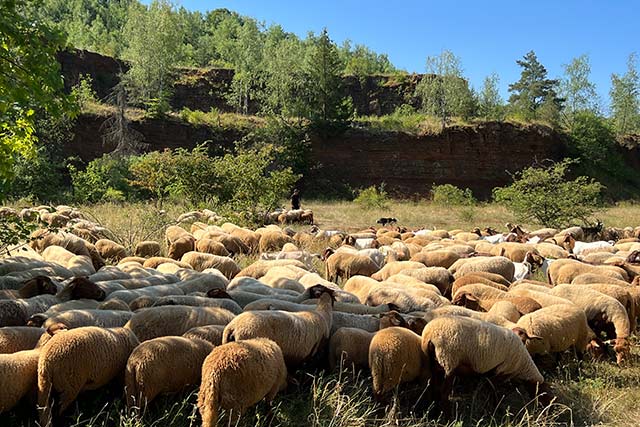
- Open habitats need to be maintained, in particular through scrub clearance, transhumant grazing, mowing, or soil stripping, to prevent them from gradually being overtaken by shrubs and forest.
 |
 |
 |
 |
 |
 |
© Marc Weis & Minett UNESCO Biosphere
When red soils turn green
For decades, Giele Botter was a working landscape. Extraction fronts, terraces, galleries, and former transport routes recall the time when iron ore was extracted, moved, crushed, and then brought to the blast furnaces. The traces of this activity are still visible today: they give the site its distinctive relief and striking character.
After mining came to an end, however, nature slowly began to reclaim the site. Nutrient-poor soils, bare rocks, scree slopes, and ponds created a wide range of microhabitats. What may at first have seemed like a disturbed landscape became a mosaic of natural habitats. The red of the minette now enters into dialogue with the green of pioneer forests, the yellow of flowers, the pink of orchids, and the discreet flight of butterflies.
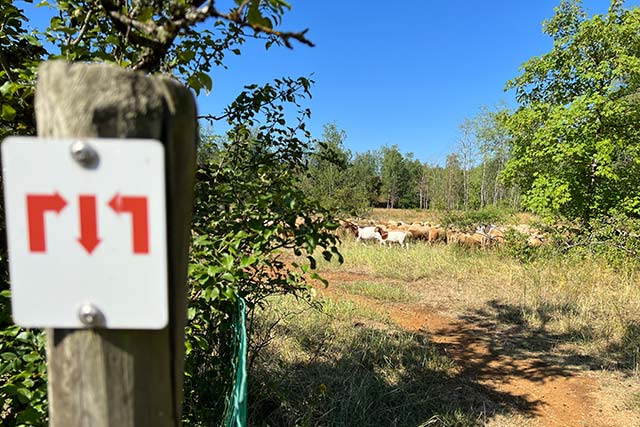
The Prënzebierg – Giele Botter discovery trail, around 7.7 km long, invites visitors to explore this transformation step by step. It follows former mine railway routes, makes it possible to observe different stages of natural succession, and shows how a human-shaped landscape can become a refuge for living nature.
Walking through 175 million years of history
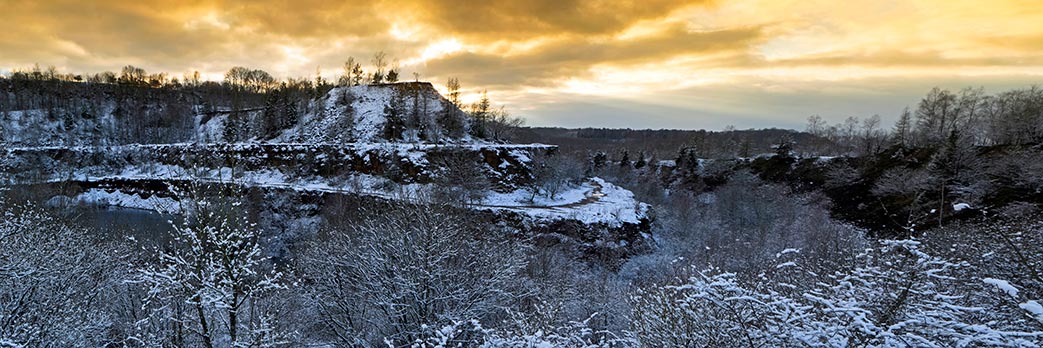
Giele Botter is also an exceptional geological site. The approximately 2.6 km geological trail follows the extraction fronts of the former open-cast mine. These rock faces reveal layers that are usually hidden beneath vegetation and make it possible to read the history of the minette, formed in an ancient marine environment.
Fossils, iron-rich oolites, limestone layers, marl, and extraction fronts tell a story that goes far beyond the human scale. Along this trail, visitors move from the industrial era to a much older story: that of a sea that covered the region around 175 million years ago.
A walk for curious visitors, families, and lovers of the Minett
The site can be explored like an adventure. Nature enthusiasts can look for orchids, butterflies, ponds, and animal traces. Those interested in industrial history can discover former galleries, extraction fronts, ore transport routes, and traces of mining work. Families will find a varied walk with explanatory panels and landscapes that constantly change.
The visit must, however, remain respectful: it is important to stay on marked paths, keep dogs on a leash, not pick plants, not disturb animals, and not approach the rock faces. In a core zone, every gesture matters in preserving the fragile balance of the site.
 |
 |
 |
© Visit Minett / PULSA Pictures
Nearby: extending the adventure around Giele Botter
A visit to Giele Botter – Prënzebierg can easily be extended into a full day in the Minett. Several emblematic places are located nearby, connecting nature, industry, railway heritage, and archaeology.
Minett Park Fond-de-Gras
The Minett Park Fond-de-Gras is an open-air museum whose guiding theme is iron ore. It includes, among other places, Fond-de-Gras, the village of Lasauvage, the former Giele Botter open-cast mine, and the Celtic oppidum of Titelberg. It is the ideal starting point for placing the nature reserve within the broader history of the iron-ore basin.
Train 1900
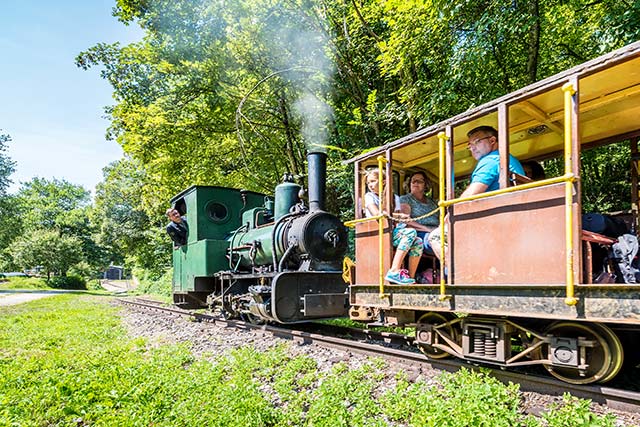
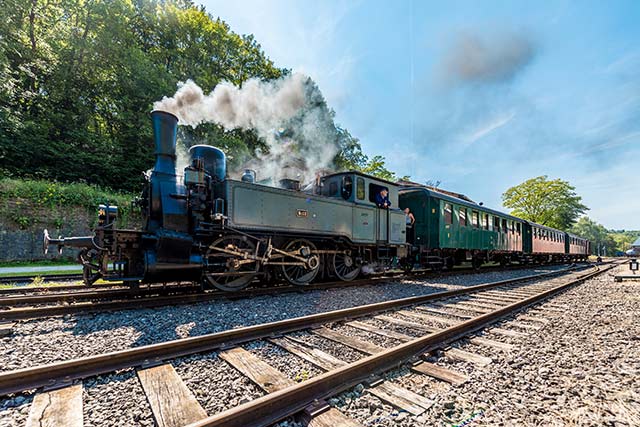
Train 1900 invites visitors to experience the railway heritage of the Minett in a special way. The historic locomotives and the atmosphere of Fond-de-Gras offer a glimpse of what the mining landscapes looked like at a time when the railway was essential for transporting ore and for the industrial life of the region.
Minièresbunn
The Minièresbunn is the ideal complement to a visit to Giele Botter. This mine railway experience brings visitors closer to the underground world of the former mining sites and helps them better understand the working conditions and infrastructure linked to the minette.
Archaeological site of Titelberg
The archaeological site of Titelberg adds another layer of historical depth to the visit. Located on the heights of Fond-de-Gras, the Titelberg oppidum recalls that the territory was an important place long before the industrial adventure of the steel industry. Visiting the archaeological site itself makes it possible to connect Celtic history, landscape, and the industrial memory of the Minett.
A landscape that continues to tell its story
Giele Botter – Prënzebierg is a place where the past has not disappeared. It has been transformed. The former quarries have become habitats. The extraction fronts have become windows into geology. The industrial traces have become carriers of memory. And nature has not erased history; it has made it even more visible.
As a core zone of the Minett UNESCO Biosphere, this site reminds us that nature conservation does not mean isolation. It can also be an invitation to look at a territory differently, to understand its vulnerabilities, to respect its richness, and to inspire visitors to protect it.
At Giele Botter, the red soils have been covered with green. And it is precisely this encounter between ore, memory, and biodiversity that makes the Prënzebierg – Giele Botter nature reserve one of the most impressive and endearing places in the Minett.