


Between steel, memory and solidarity
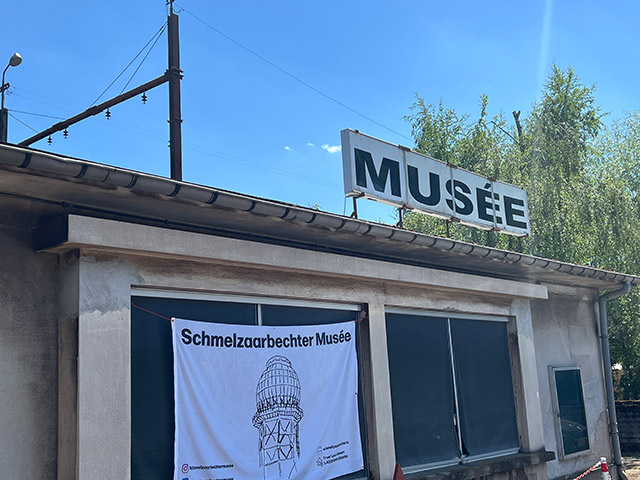
The history of the Minett is not only a story of mines, blast furnaces and steel. It is also a story of people: of steelworkers, families, workers’ housing estates, solidarity, hard work — and of how an entire region was shaped by industry. For the 50th episode of Minett Mash-Up, we visit a place where this history can still be felt very concretely today: the Schmelzaarbechter Musée on the site of the Metzeschmelz.
Our “Minett-Location” of the month: Schmelzaarbechter Musée, Metzeschmelz
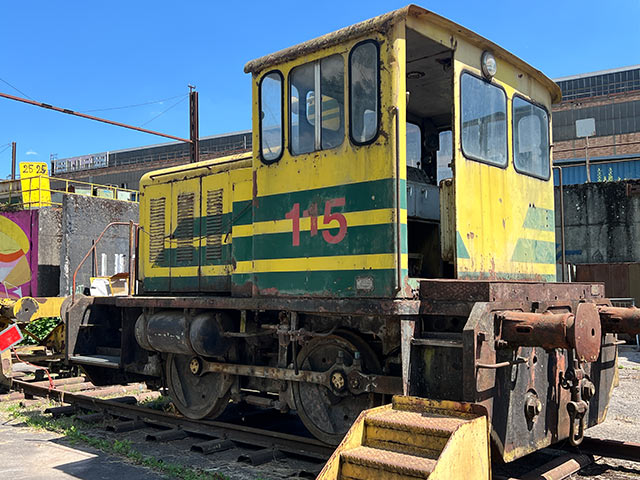
The Schmelzaarbechter Musée is located on the site of the former Metzeschmelz, an industrial area that shaped life in Esch, Schifflange and the entire Minett region for more than a century. For around 130 years, the steel industry made history on the 60-hectare Esch-Schifflange site; up to 2,600 people worked there before all activity ceased in 2012.
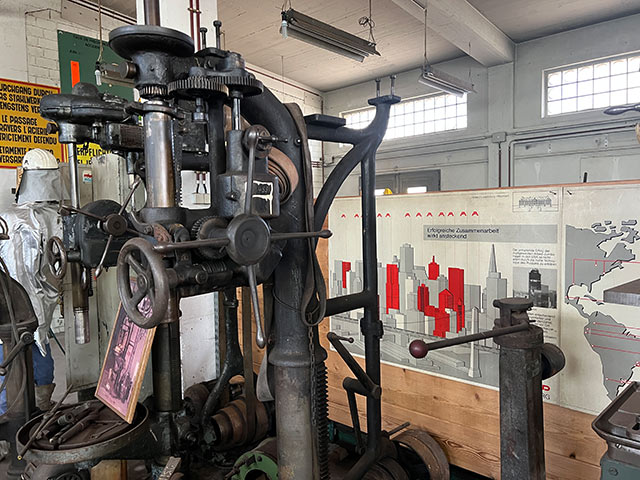
The museum does not tell this story from a detached perspective, but from the point of view of the people who worked and lived here. It focuses on everyday life in the steelworks, on tools, work materials, personal objects, photographs, documents and memorabilia that together paint a picture of an entire working-class culture.
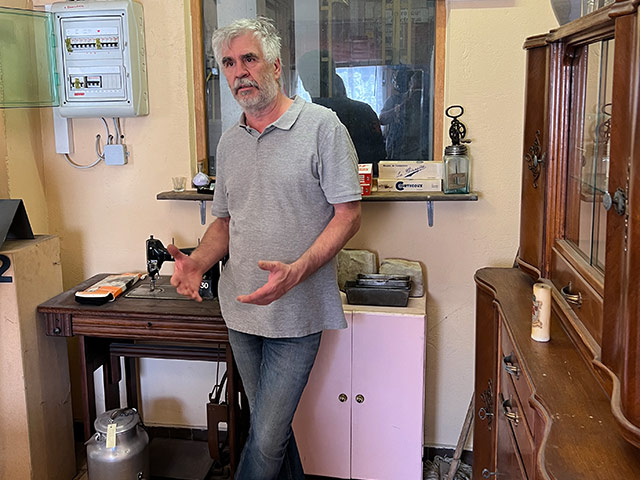
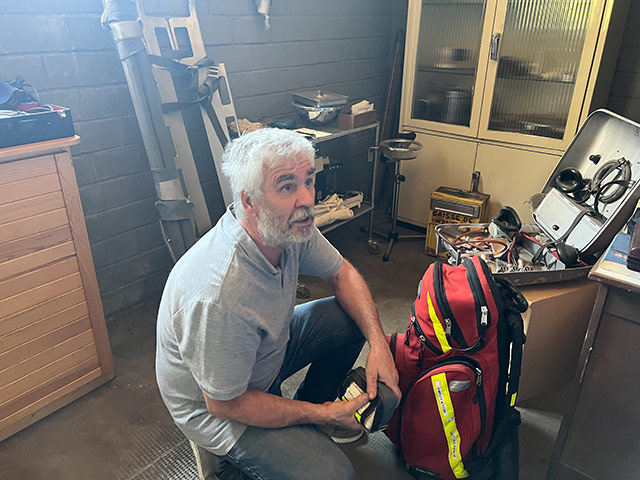
The collection did not begin as a large institutional project, but as an initiative by people connected to this world. As Alain Guenther recalls, it all started over coffee, when people from the workers’ housing estates around the steelworks mentioned objects they still had at home: a hammer, a pair of pliers or other items from the plant. Little by little, a collection began to take shape.
Over the years, this collection continued to grow. Former steelworkers, their families and Arbed provided or donated objects. Today, the museum displays items that recall work, life and the period before, during and after industrialisation.
Our guest: Alain Guenther
In this episode, Alain Guenther is our guest. He himself worked on the former Arbed site in Esch-Schifflange and is now one of the people committed to ensuring that the memory of the steelworkers is not lost.
He does not know the steelworks only from books or archives. He worked on the Arbed site in Esch-Schifflange himself. It is precisely this personal connection that makes his view of the museum and of the history of the steelworkers so valuable.
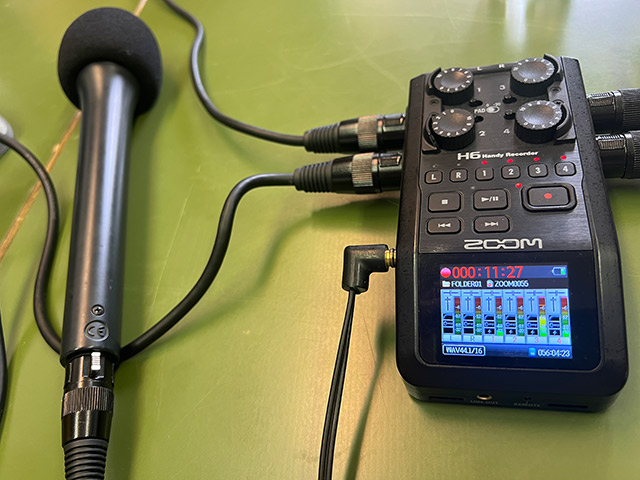
In the episode, we talk with him about his own path into the world of the steelworks, about his very first day at work, about what shaped him most during his career, and about his time as president of the ArcelorMittal staff delegation. The conversation is not only about technical or economic questions, but above all about people: working conditions, camaraderie, conflicts, responsibility and solidarity.
Another important topic is the question of whether, with the last generations of former workers, many stories and personal experiences are also at risk of disappearing. The museum is therefore not just a collection of things, but also a collection of voices, memories and lived experiences.
This episode also asks what it means when an industry that shaped a region for generations gradually disappears. Is this merely an economic transformation? Or is it also a cultural rupture? What happens to a collective identity when the places where it was formed lose their original function?
 |
 |
 |
 |
 |
 |
© Minett UNESCO Biosphere
Our quiz:
When did the General Strike of 1942 begin?
- 30 August 1942
- 31 August 1942*
- 9 September 1942
At the Schmelzaarbechter Musée, there is a lovingly crafted model of the cableway that once ran from Ottange to Differdange. When was the original cableway inaugurated?
- in September 1898
- in October 1906*
- in June 1920
Links to the topics of this episode:
- Schmelzaarbechter Musée: Background information about the history of the Esch-Schifflange steelworks and the museum.
- Worker Colonies in Schifflange: The neighborhood where the steelworkers lived, which today belongs to the historical architectural heritage of Schifflange.
- Ferro Forum: An association that keeps the memory of the work and techniques of the Luxembourgish steelworks alive, and which is also located on the site of the Metzeschmelz.
- OGBL: A Luxembourgish trade union in which Alain Guenther was active.
- Generalstreik vun 1942: On August 31, 1942, workers went on strike throughout Luxembourg, which was occupied by Nazi Germany at the time. The protest was directed against the decreed forced conscription of Luxembourgish men born between 1920 and 1924.
Contact us:
 |
 |
 |