School Workshops Kick Off the Cool Neighbourhoods Project
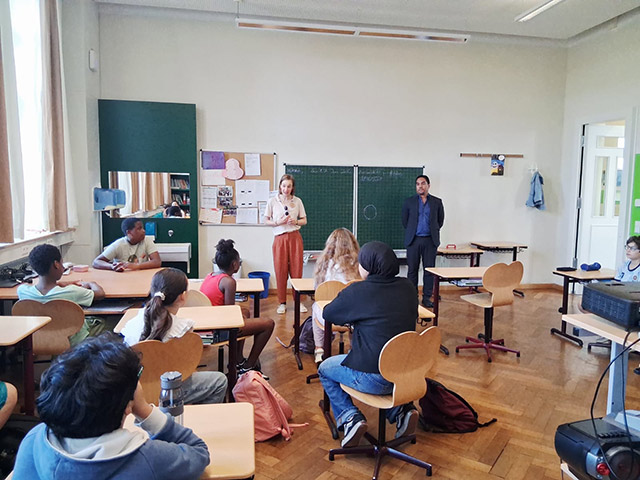
How can a schoolyard become cooler, greener and more welcoming for both people and wildlife? This was the question explored by Cycle 4 pupils and their teachers during a series of four educational workshops held in June as part of the Cool Neighbourhoods project.
Although the green wall has not yet been installed—the construction is scheduled to take place during the summer holidays—the workshops offered students an opportunity to discover the project in advance and understand the many benefits it will bring to their school environment.
Discovering the Interreg NWE Cool Neighbourhoods Project
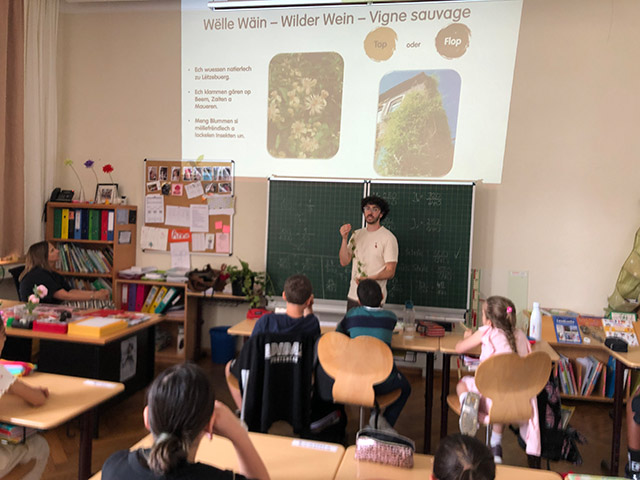
The sessions were led by two experts from a local nature conservation organisation: nature engineer Simone Biver and ornithologist Catherine Kirsch. Through interactive presentations and activities, they introduced pupils to the Minett UNESCO Biosphere, the role of European cooperation projects, and the concept of green walls and planted façades.
The children learned how green walls can contribute to a healthier and more pleasant urban environment. Beyond their visual appeal, planted façades help cool surrounding areas and buildings during hot weather, reduce noise levels, and create valuable habitats for insects and birds. These nature-based solutions play an important role in increasing urban biodiversity while improving the well-being of local communities.
Learning Through Play: Choosing the Right Plants
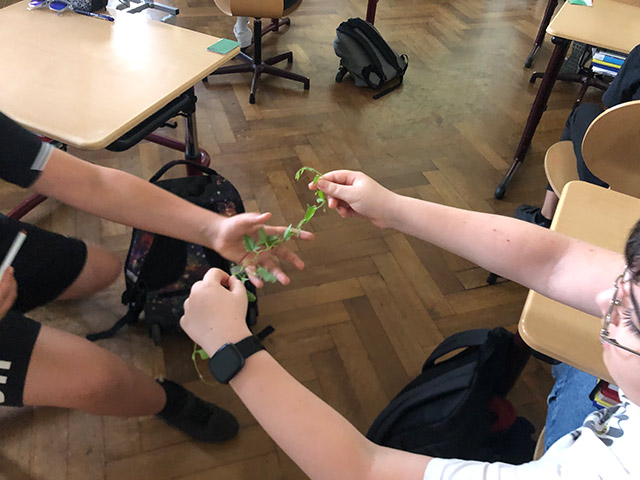
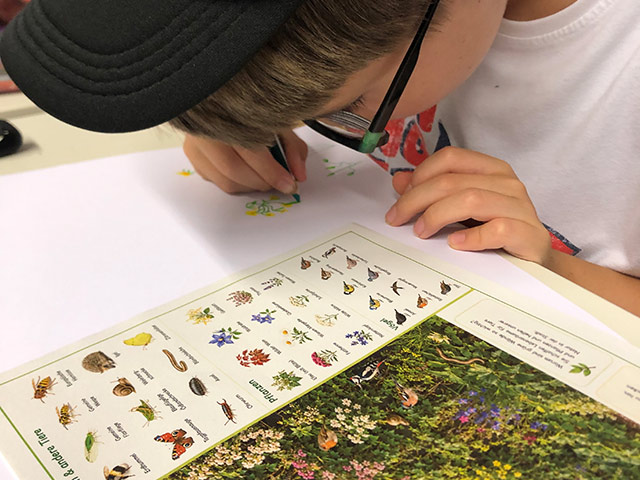
One of the highlights of the workshops was a hands-on game that challenged pupils to identify which plant species are most suitable for a green wall, particularly from the perspective of local pollinators. The activity encouraged them to think about the needs of bees, butterflies and other beneficial insects when selecting plants.
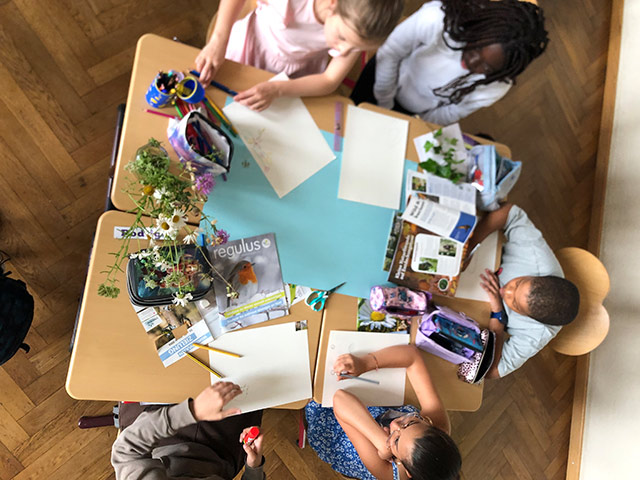
To conclude the workshops, the students expressed their creativity by drawing the various benefits of green walls. A selection of these illustrations will be featured on an information panel next to the future installation in the schoolyard. The panel will help explain the project and its advantages to a wider audience, including parents, teachers and pupils who were unable to attend the workshops.
Experiencing the Challenge of Urban Heat
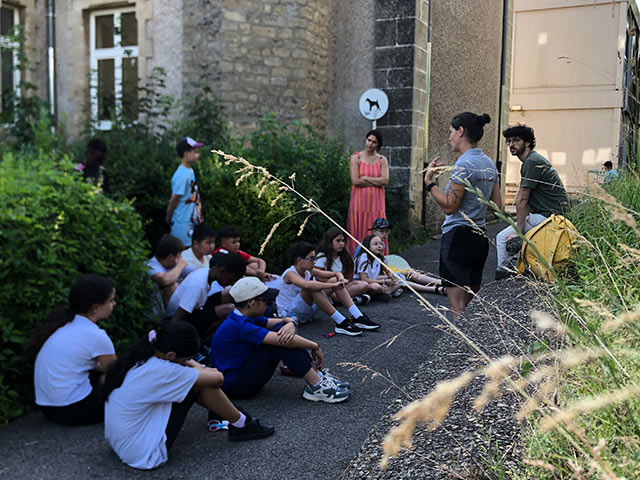
One workshop day coincided with particularly hot weather. To make the session more comfortable, the presentation was moved outdoors into the shade. This unexpected adjustment allowed the pupils to directly experience one of the key challenges addressed by the Cool Neighbourhoods project: the impact of heat in urban spaces and the importance of creating cooler environments.
The project will continue after the summer break, when the green wall is in place. New workshops are planned to give pupils the opportunity to interact directly with the installation. They will discover the different plant species growing on the wall, learn how to care for them, and observe the insects that have already made the new habitat their home.
Through these activities, the Cool Neighbourhoods project is not only transforming a schoolyard—it is also helping young people better understand the connections between climate adaptation, biodiversity and quality of life, empowering them to become active participants in creating greener and more resilient communities.