


Industrial history, railways and collective memory
What remains of a factory, a railway line or a trade when the buildings disappear and the last eyewitnesses can no longer tell their own stories? Photographs, documents and memories then become valuable records of an industrial past that continues to shape Luxembourg and the Minett today.
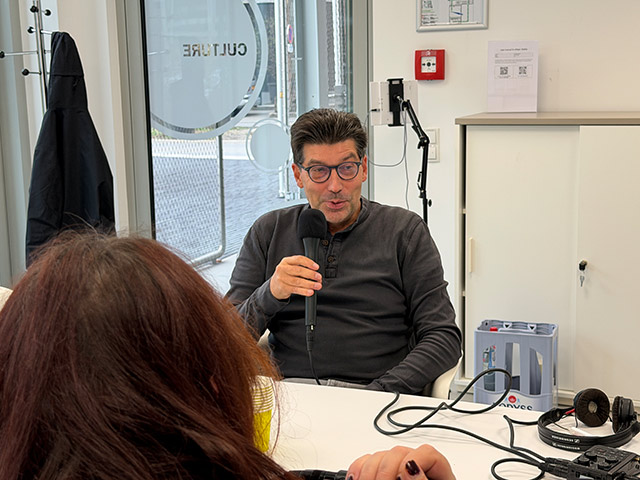
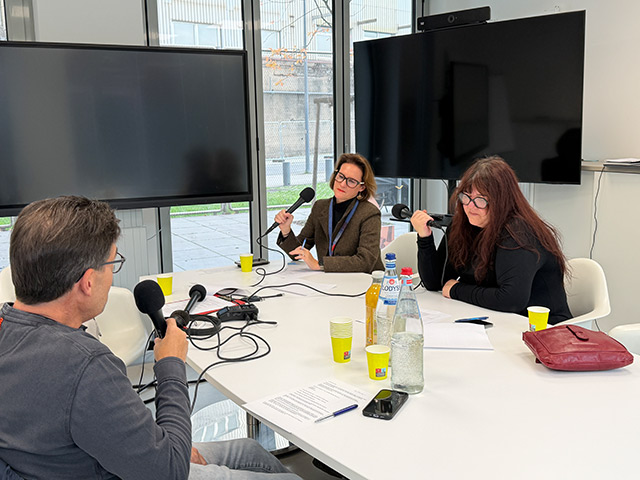
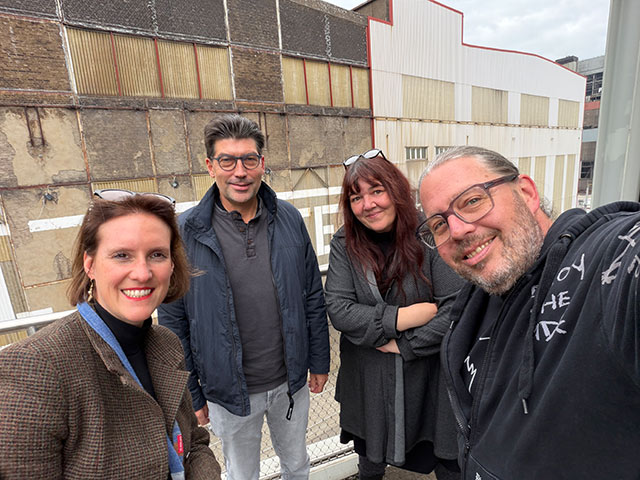
In episode 54 of Minett Mash-Up, we meet Jean-Marie Ottelé, president of industrie.lu and webmaster of industrie.lu and rail.lu. We talk to him about his passion for industrial and railway history, the creation of his digital archive and the importance of the people behind the machines, factories and tracks.
Our “Minett-Location” of the month: the CNCI in Belval
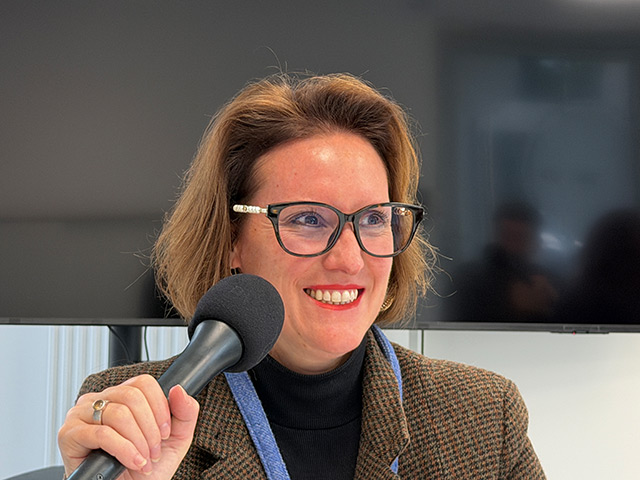
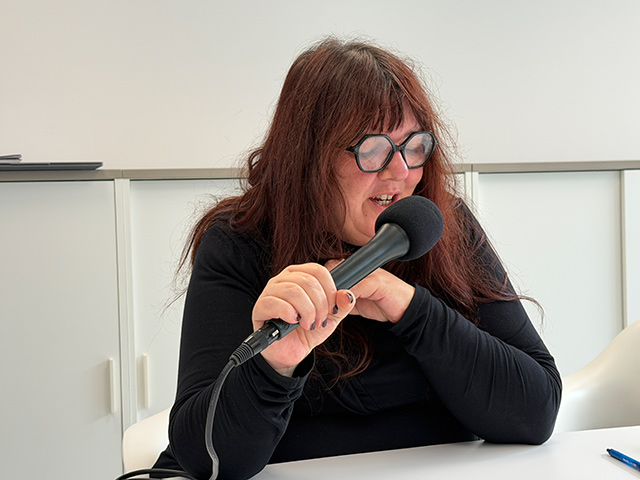
For this episode, Minett Mash-Up visits the Centre National de la Culture Industrielle, or CNCI, in Belval. A fitting setting for a conversation about industrial heritage and how memories of former sites, techniques and working environments can be passed on to future generations.
This time, however, our actual location of the month is almost virtual: the World Wide Web. Since the late 1990s, Jean-Marie Ottelé has been collecting and organising information, documents and images about the railway and industrial history of Luxembourg and the Greater Region. His digital project shows how a personal passion can gradually grow into an extensive archive.
In the podcast, we explore the beginnings of this project, the initial collection and the development of the industrie.lu and rail.lu websites. We also ask where all the information and photographs come from, and how often valuable documents are still discovered in attics or when clearing out a house.
Our guest: Jean-Marie Ottelé
Jean-Marie Ottelé is an IT specialist, president of industrie.lu and a passionate expert on industrial and railway heritage. As webmaster of industrie.lu and rail.lu, he documents the history of businesses, sites, tracks, machines and trades that have helped shape Luxembourg’s economic and social development.
Yet this archive is about more than buildings and technical installations. It is also about the women and men who worked there, their trades, their working conditions and their personal stories. Our conversation therefore also explores trades that have now disappeared, everyday working life in the past and the place of women in industrial history.
Railways play a particularly important role. Their development is closely linked to that of the steel industry and the country’s transformation. Historic routes, photographs, documents and testimonies help us understand these connections and preserve information about sites that have disappeared or been redeveloped.
Finally, we look to the future: what still needs to be documented? How can digital archives like these be maintained and developed? And how can we inspire future generations to take an interest in Luxembourg’s industrial and railway history?
 |
 |
 |
 |
 |
 |
© Minett UNESCO Biosphere
Our quiz:
Luxembourg’s first workers’ organisation was founded on 31 July 1864. Which trade did it originate from?
- Miners
- Shoemakers
- Printers
In which year was Luxembourg’s first railway line inaugurated?
- 1848
- 1859
- 1871
industrie.lu also has a page entitled “Industry and Art”. It features the cover of the comic “De Stolen A. – D’Geschicht vun der Arbed a Billersträifen” by Roger Leiner and Lucien Czuga. What occasion was this story created for?
- 1982, to mark the centenary of the Eisenhütten-Aktien-Verein Düdelingen
- 1991, to mark the 80th anniversary of the abbreviation ARBED
- 1997, to mark the final shift at blast furnace B in Belval
Links to the topics in this episode:
- industrie.lu – A digital archive of the industrial history of Luxembourg and beyond.
- rail.lu – Information, documents and images about railways in Luxembourg and the Greater Region.
Contact us:
 |
 |
 |