

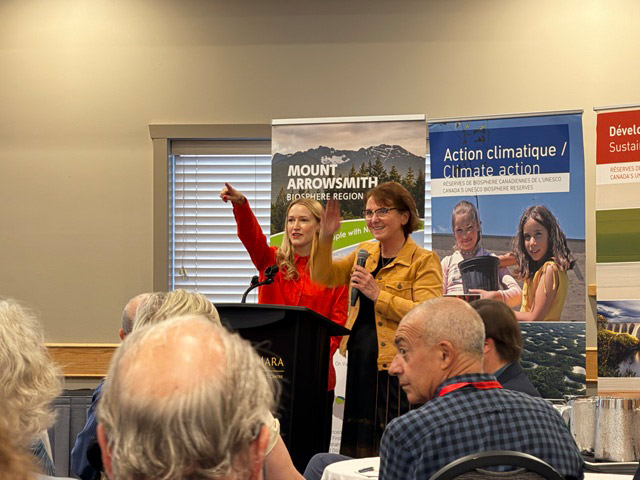
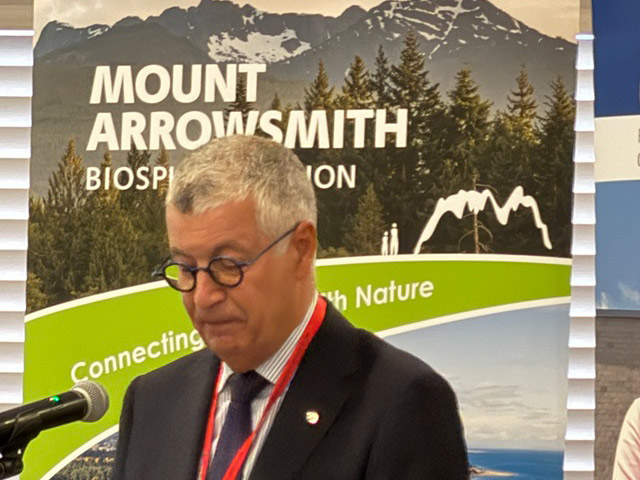
Last week, the global UNESCO Biosphere Reserve community gathered on Vancouver Island, Canada, for EuroMAB 2026. From 14 to 18 September, delegates from across Europe and North America, including delegates from the Minett UNESCO Biosphere, came together in the UNESCO-designated Mount Arrowsmith Biosphere Region to exchange ideas, strengthen partnerships, and explore new pathways towards a more sustainable future.
An International Gathering for Sustainability
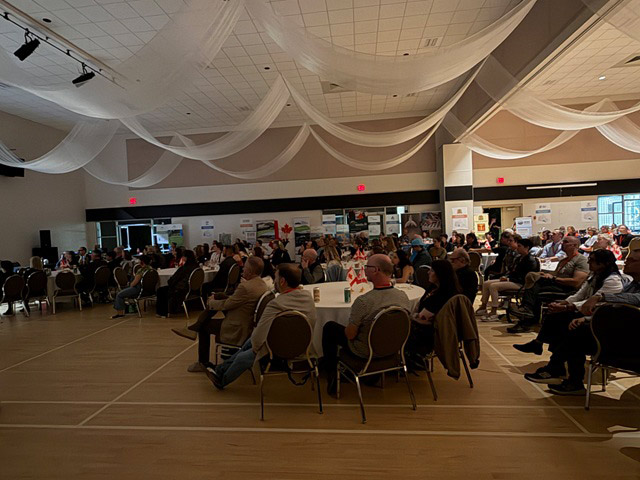
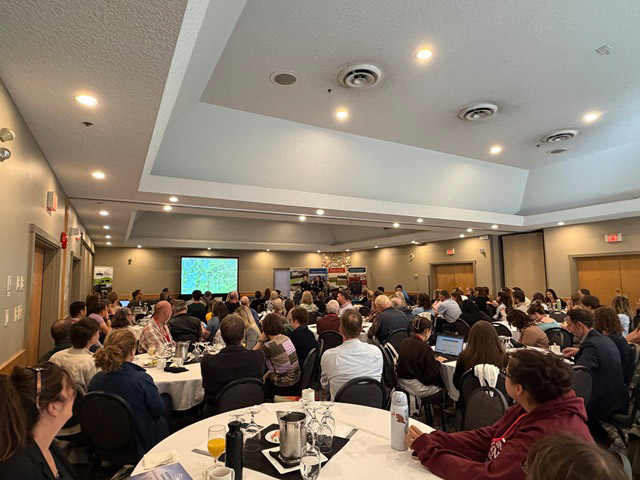
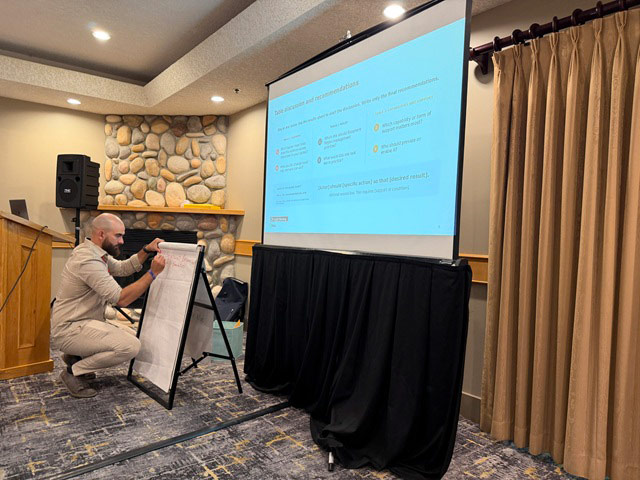
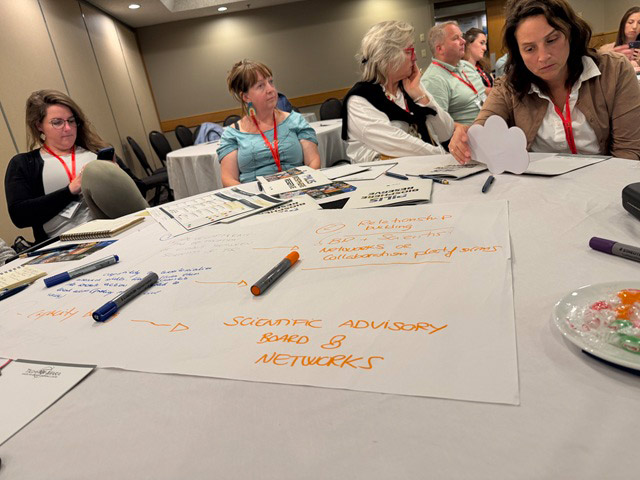
Hosted in Parksville and Qualicum Beach, British Columbia, EuroMAB 2026 brought together 180 representatives from UNESCO Biosphere Reserves across Europe and North America. As the largest regional network meeting of UNESCO’s Man and the Biosphere (MAB) Programme, the conference provided an important platform for sharing experiences, discussing common challenges, and developing innovative approaches to balancing nature conservation with sustainable community development.
This year’s theme,“Interwoven Futures: Co-creating Sustainability with Nature and Communities,” highlighted the importance of bringing together diverse forms of knowledge, including Indigenous, local, traditional, scientific, cultural, and youth perspectives. Participants explored how these different ways of knowing can help shape more resilient landscapes and communities in the face of global environmental and social challenges.
Learning from Indigenous Leadership
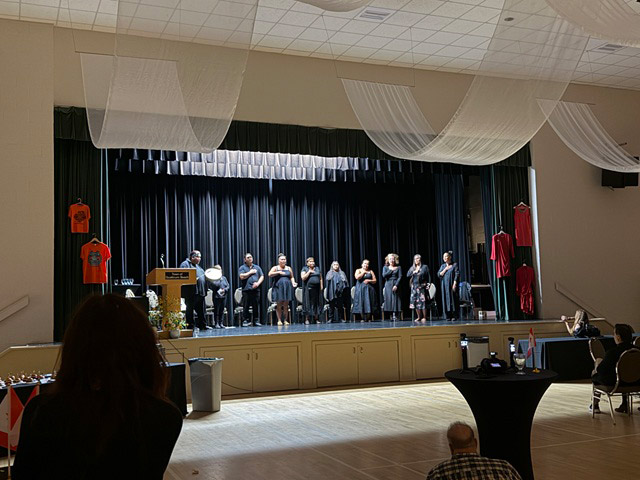
A defining feature of EuroMAB 2026 was its strong emphasis on Indigenous partnerships and knowledge systems. The conference opened with a traditional welcome from representatives of local First Nations, recognizing the lands and waters that host the Mount Arrowsmith Biosphere Region. Delegates were invited to begin the week in a spirit of respect, reciprocity, and shared learning.
Throughout the programme, numerous sessions explored Indigenous-led conservation, intercultural dialogue, and the role of Indigenous Peoples in governance and stewardship. These discussions reflected the growing recognition within UNESCO’s MAB Programme that effective conservation and sustainable development depend on meaningful collaboration with Indigenous communities and local knowledge holders.
A New Vision for the UNESCO MAB Programme
One of the key highlights of the conference was the presentation of the newly adopted Hangzhou Strategic Action Plan 2026-2035, approved at the Fifth World Congress of Biosphere Reserves in 2025. During plenary sessions, UNESCO representatives outlined how this new strategic framework will guide the future development of the World Network of Biosphere Reserves.
Discussions focused on strengthening international and regional networks, increasing collaboration between biosphere reserves, supporting Indigenous Peoples and local communities, and empowering young people to take an active role in shaping sustainable futures.
Youth at the Heart of the Conversation
Youth engagement was another central theme of EuroMAB 2026. Dedicated sessions highlighted the outcomes of the 3rd Global MAB Youth Forum, held earlier this year in Italy, and explored ways to translate youth declarations into concrete actions within biosphere reserves. Participants also exchanged ideas on establishing youth councils and creating new opportunities for young people to contribute to decision-making processes.
This focus on youth reflects a broader commitment within the MAB Programme to ensure that future generations play a meaningful role in biodiversity conservation, climate action, and sustainable development.
Sharing Experiences Across Borders
The conference programme featured a wide range of workshops and discussions covering topics such as:
- Transboundary biosphere reserves and international cooperation;
- Environmental education and place-based learning;
- Partnerships with universities and research institutions;
- Community-led ecological restoration;
- Climate adaptation and ecological connectivity;
- Governance and management of biosphere reserves;
- Multi-designated UNESCO sites and network cooperation.
These exchanges demonstrated the diversity of initiatives being implemented across the EuroMAB network while highlighting the common challenges faced by biosphere reserves worldwide.
Experiencing the Mount Arrowsmith Biosphere Region
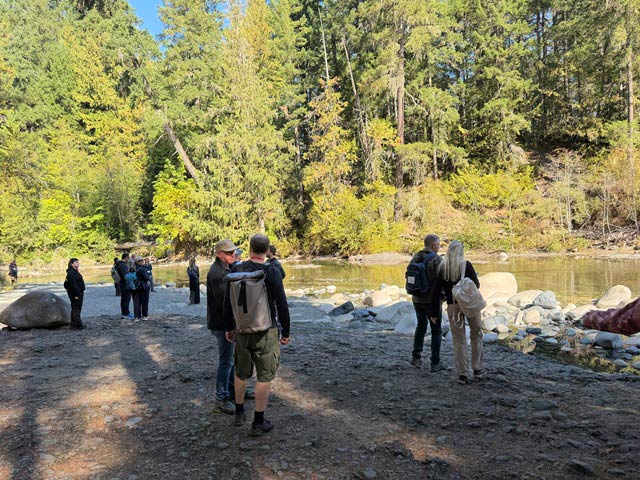
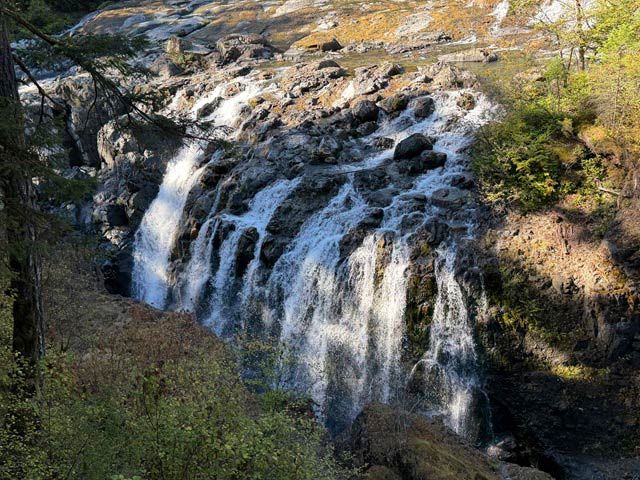
Beyond the conference sessions, participants had the opportunity to discover the landscapes, communities, and cultures of the Mount Arrowsmith Biosphere Region. Field excursions showcased local conservation projects, ecological restoration efforts, and examples of community engagement in sustainability. A cultural evening celebrating the diversity of Canadian cultures and traditions provided additional opportunities for networking and relationship building among delegates.
Located on Vancouver Island, the host biosphere region encompasses the traditional territories of seven First Nations and represents a unique meeting point between coastal ecosystems, community development, Indigenous heritage, and biodiversity conservation.
 |
 |
 |
 |
 |
 |
 |
 |
 |
© Minett UNESCO Biosphere
Looking Ahead
EuroMAB 2026 demonstrated the strength of international cooperation within UNESCO’s World Network of Biosphere Reserves. The conversations held on Vancouver Island reinforced a shared understanding: the complex challenges of biodiversity loss, climate change, and sustainable development can only be addressed through collaboration, mutual learning, and collective action.
As delegates return to their home regions across Europe and North America, they bring with them new ideas, strengthened partnerships, and renewed inspiration. The spirit of Interwoven Futures will continue to guide efforts to create thriving communities living in harmony with nature, both locally and globally.