




Biodiversity and management of the Minett open-cast mining areas
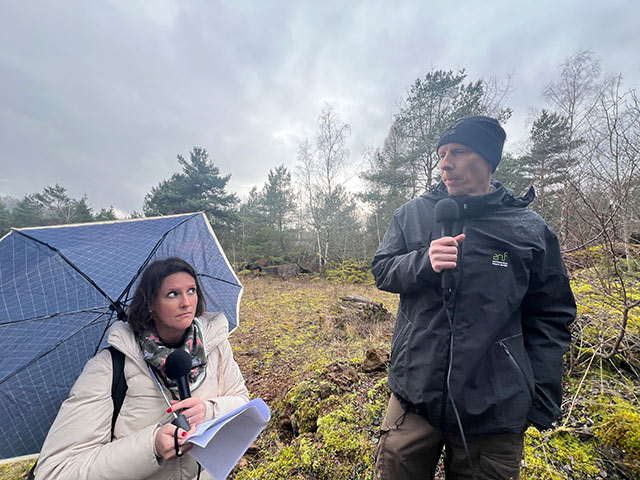
Minett Mash-Up is the travelling podcast from the Minett: every month with a guest, and in a different place. This year, our conversations revolve around the history of the blast furnaces, the mines and the open-cast mining areas – as well as the transformation of the “Bassin Minier” into a UNESCO Biosphere Reserve.
Our “Minett-Location” of the month: Léiffrächen
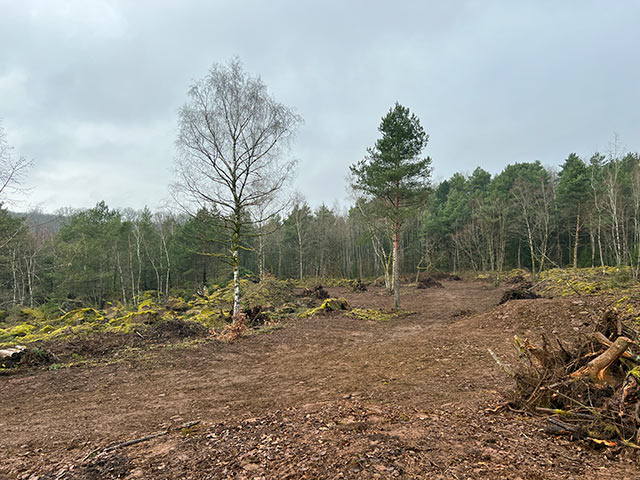
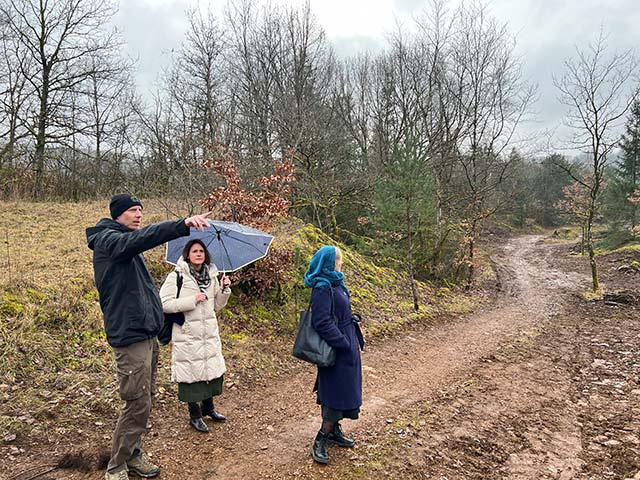
For this episode, we headed out in the February rain to Léiffrächen – one of the six core zones of the Minett UNESCO Biosphere, and a place where our natural and industrial heritage come together in a very special way.
In the podcast, we talk about why Léiffrächen is so fascinating as a core zone: as a former mining area, it shows how post-industrial landscapes can become important refuges for flora and fauna. At the same time, it raises a very practical question: how do you reconcile nature conservation, public access, and the preservation of industrial memory?
Our guest: Jan Herr
Our guest is Jan Herr, a biologist at the nature administration and facilitator of the COPIL Natura 2000 Minetter Dagebausgebidder. In this episode of Minett Mash-Up, we go behind the scenes with him: what does it mean to manage areas like this in everyday practice? And what does a management plan for a nature reserve actually look like?
We also cover the following points:
- What makes Léiffrächen different from other core zones
- Which elements of biodiversity are particularly important here – including in the context of the EU’s Natura 2000 programme.
- Whether the renaturation of former mining sites is a success from a biological point of view, and why “post-industrial” landscapes can sometimes be said to have a distinctive biodiversity.
- Why it can sometimes look as if an area has been “ploughed through with a digger” – and why, in spite of that (or precisely because of it), it may be important for nature conservation to intervene regularly.
- What the biggest future challenges are for the core zones of the Minett UNESCO Biosphere: climate change, settlement pressure, light pollution – or something else entirely?
As a small nature highlight, the woodlark (Bëschléierchen) also features prominently in this episode of Minett Mash-Up: we introduce it briefly for anyone who doesn’t know it yet, and we also introduce our “Minetter Schof” – four-legged nature conservationists – in our conversation with Jan Herr.
Alongside the technical topics, there’s a more personal side too: Jan shares what his path has looked like, and we talk about how you “switch off” when nature is also your workplace.
Notre quiz :
As a core zone, Léiffrächen is a particularly important part of the Minett UNESCO Biosphere. How large is the Léiffrächen core zone?
- 112 ha
- 306 ha *
- 601 ha
The “Léiffrächen” in Kayl is a national pilgrimage and memorial site with a statue of Mary, venerated as the miners’ second patron saint. How old is the pilgrimage to Léiffrächen in Kayl, according to documented history?
- It began in the 20th century, in the 1930s
- It dates back to the mid-18th century *
- It began in 1901 after a chapel fire
Which important educational project in the Minett aims to raise awareness of the environment and biodiversity among children and adults?
- MiNELL – Minett Natur an Ëmwelt Léier Lab*
- Children’s University
- Minett Biosphär Festival
 |
 |
 |
 |
© Minett UNESCO Biosphere
Links to the topics of this episode:
- COPIL Natura 2000 « Minetter Dagebaugebidder »: one of the pilot committees (comités de pilotage) for Natura 2000 sites in Luxembourg
- Natura 2000 programme: European programme for the protection of flora and fauna
- Léiffrächen nature réserve: a former open-cast mining area, now one of the six core zones of the Minett UNESCO Biosphere
- Bëschléierchen (woodlark): a small bird that nests on the ground and is considered a key species in the Minett UNESCO Biosphere
- Protection of the former open-cast mining sites: a few simple rules for protecting nature in the Minett UNESCO Biosphere
- Jan Herr’s Instagram account: where Jan Herr shares his nature photography
- Beech martens in Luxembourg: brochure based on Jan Herr’s doctoral thesis
- Light pollution: a form of environmental pollution caused by artificial lighting at night
- Minetter Schof: a flock of sheep that moves through the core zones of the Minett UNESCO Biosphere from spring to late autumn
- Monument National des Mineurs: monument commemorating all victims of Luxembourg’s iron-ore mines
- Notre Dame des Mineurs: pilgrimage to Léiffrächen that has existed for over 200 years
- MiNELL: the Minett Natur an Ëmwelt Léier Lab, through which the Minett UNESCO Biosphere offers environmental education workshops for children, adults and teaching staff
Contact us:
 |
 |
 |