


A Journey into the Past of Blast Furnace B with Carlo Pallucca
In 2026 too, we continue with Minett Mash-Up, the hiking podcast from the Minett region. Every month with a guest and from a different location.
This year, our conversations revolve around the history of the mines, the smelting works, and the open-pit mining areas – as well as the transformation of the “Bassin Minier” into a UNESCO Biosphere Reserve. The red soil of the Minett is at the heart of our industrial heritage, and for this episode, we’re taking a journey back in time to 1997.
As usual, this episode is produced with the support of our partner organisations: the Centre National de la Culture Industrielle (CNCI) and the MUAR – Musée vun der Aarbecht.
The “Minett Location” of the month: Blast Furnace B
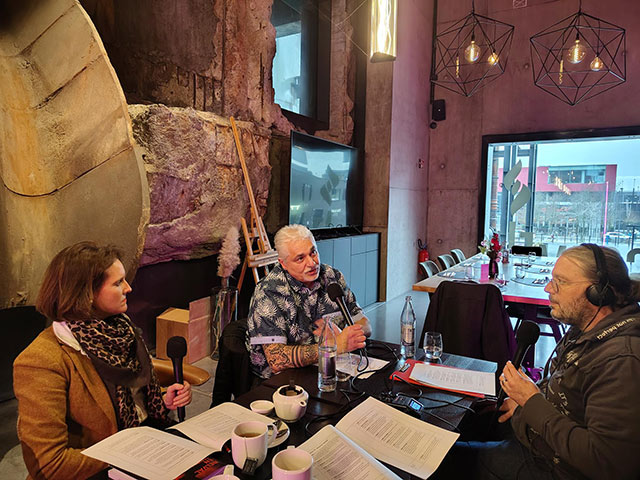
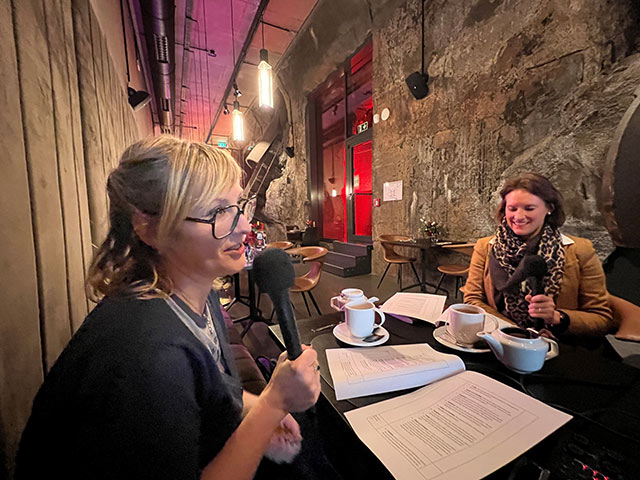
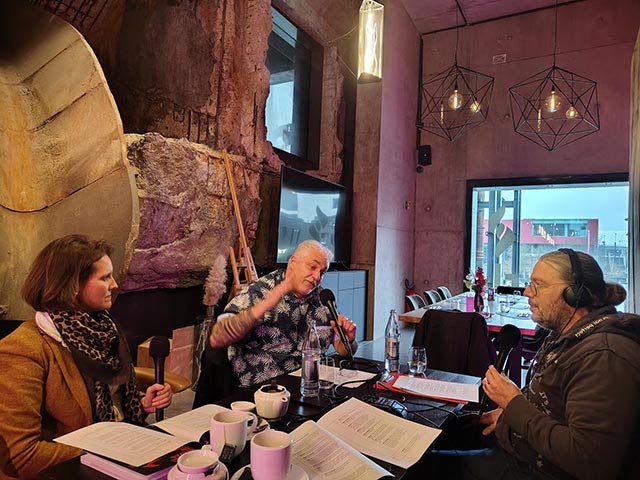
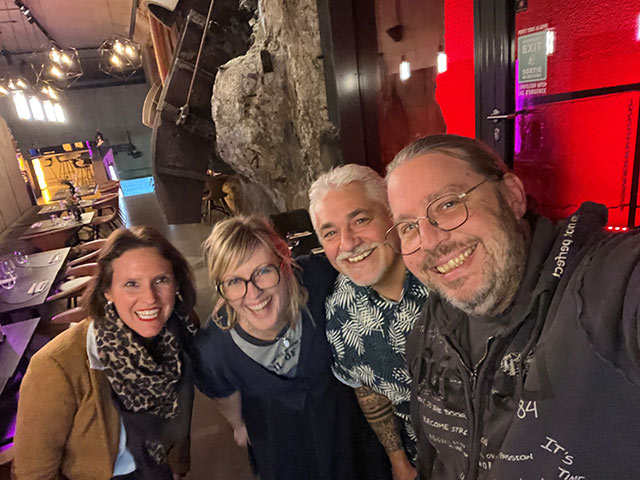
For this episode, we’re at the Restaurant SCHMELZ at the foot of Blast Furnace B in Belval. This place is historic: here in 1997, the last shift was worked at the still-active blast furnace.
Today, it looks completely different here. Where the heat of molten iron was once felt, you can now enjoy a beer or have a bite to eat. Along the blast furnaces, where people once worked hard, students now stroll, there are shops, and people live here. The transformation of Belval is an impressive example of how industrial brownfields can be repurposed – without forgetting their history.
Our guest: Carlo Pallucca
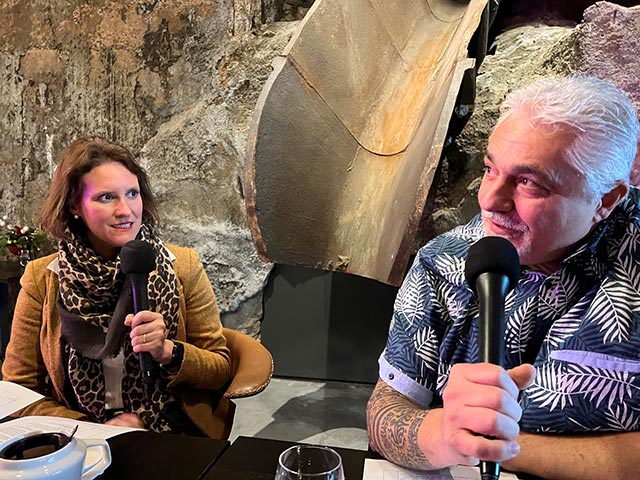
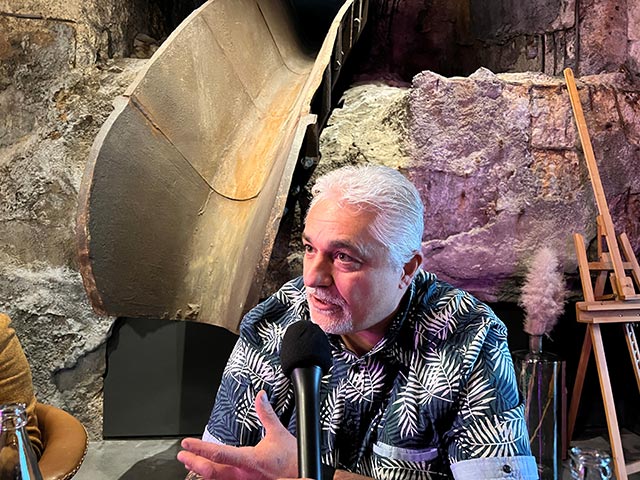
Our guest is Carlo Pallucca – a man who doesn’t just know the history of the Minett from books, but has helped write it himself.
Carlo was one of the workers who worked on the last shift at Blast Furnace B at the ARBED Belval smelting plant in 1997. He is thus a witness to a historic moment: the end of an era that shaped Luxembourg’s industry for decades.
Carlo shares with us his very personal experiences, memories, and feelings from that time. In our conversation with him, we explore questions such as:
- What did a “typical working day” at Blast Furnace B look like?
- What were the biggest challenges in daily work?
- How did working at the blast furnace affect people physically and mentally?
- What was it like to watch Blast Furnace C being dismantled – and to know that you were witnessing the end of an epoch?
Our quiz:
The cradle of the iron industry in the Minett is in Lasauvage. This is where the first Minett blast furnace stood. In what year was it built?
- Around 1625 *
- Around 1751
- Around 1817
In Belval, there were three large blast furnaces: A, B, and C. Why is Blast Furnace B often called “the middle one”?
- Because it stood geographically in the middle
- Because it was built chronologically between Blast Furnaces A and C
- Because it had the middle production capacity *
When was Blast Furnace B in Belval built?
- 1964 *
- 1970
- 1974
 |
 |
 |
 |
 |
 |
© Minett UNESCO Biosphere / MUAR – Musée vun der Aarbecht
Links to the topics of this episode:
- Schmelz: Restaurant at the foot of the old blast furnace
- Uni Lëtzebuerg: The University of Luxembourg, built on the site of the former steelworks in Belval
- Rockhal: Concert hall in Belval, the first building to open to the public
- Vëlodukt: Cycle bridge connecting the Belval district with the centre of Esch-sur-Alzette
- Weltkulturerbe Völklinger Hütte: Former steelworks in Saarland
- Lycée Emile Metz: Private school where ARBED formerly trained young people
- Héichuewen C: Largest blast furnace to have operated in Luxembourg
- Belval en métamorphose: Book by the CNCI on the history of Belval
Contact us:
 |
 |
 |